JINXIONGMANUFACTURING
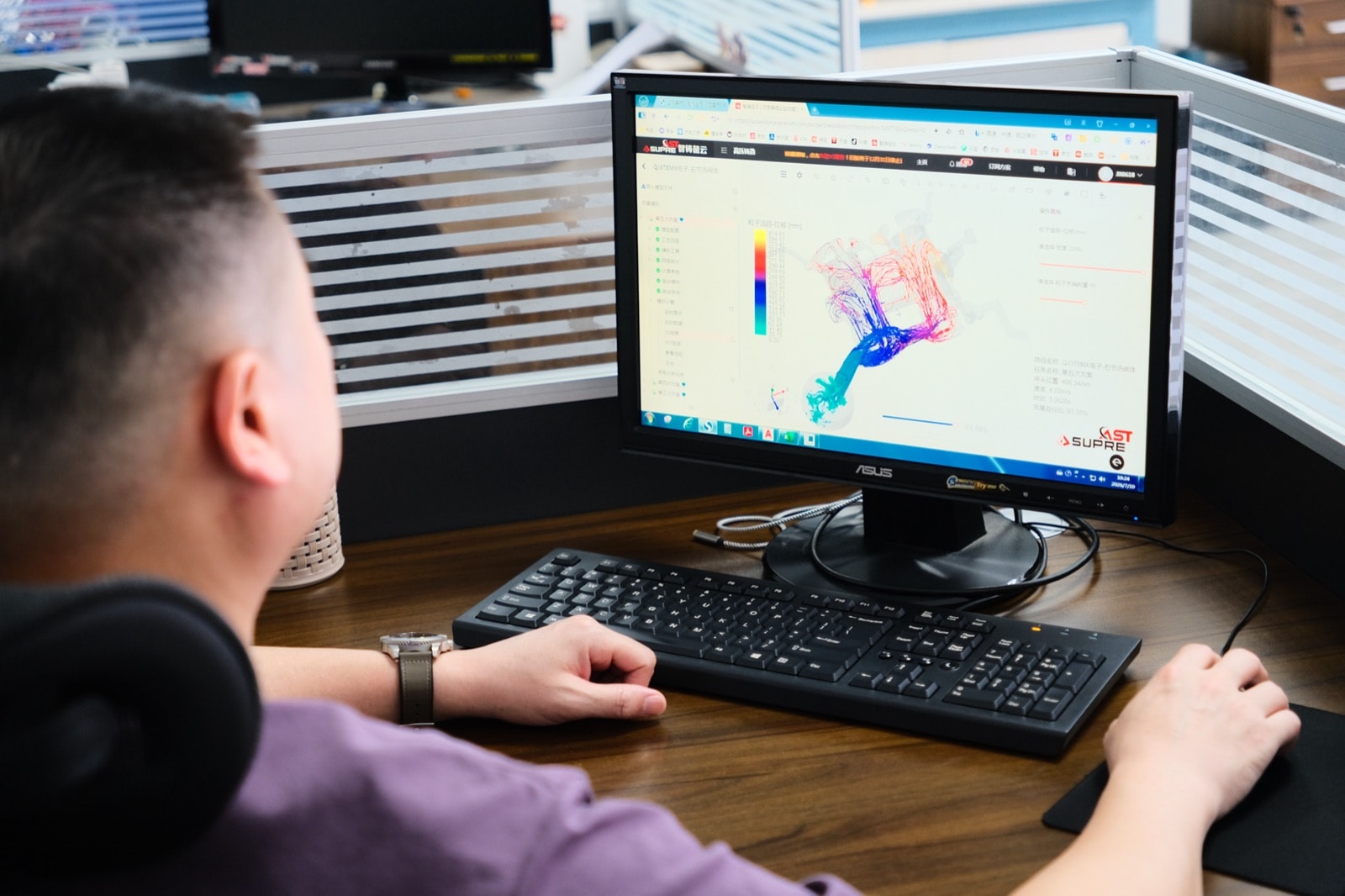
Mould-flow simulation

RESOURCES · DFM KNOWLEDGE BASE

Die casting DFM knowledge base: walls, leak tightness, defects and tolerances — with real numbers

How to set die casting tolerances, which features to hand to CNC, how to control minimum wall, how to specify a pressure-tight part, when to pick ADC12 over A380 — published industry guidance and our own production experience, so you can fix problems at the drawing stage.

14 articles — each with data tables and figures

TOLERANCES

2026-09-28

11 min

Die Casting Tolerance vs CNC Machining Tolerance

Understand the difference between die casting and CNC machining tolerances, how tolerance stack-up occurs, and when machining is worth the added cost.

MACHINING

2026-09-28

11 min

Which Features of a Die-Cast Part Should Be CNC Machined?

Learn which die-cast features should be machined, which should remain as-cast, and how engineers and buyers can balance tolerance, tooling, porosity, and total production cost.

MACHINING

2026-09-28

12 min

Why Die-Cast Parts Fail During CNC Machining: The Hidden Connection Between Casting Quality and Machining Performance

Learn why die-cast parts leak, chip, crack, or go out of tolerance during CNC machining — and how buyers and engineers can prevent failures through better casting controls.

DEFECTS

2026-09-28

13 min

Porosity in Die Casting: What Causes It, Why It Matters After Machining, and How Suppliers Control It

Learn why porosity in die-cast parts often becomes visible only after CNC machining, how it causes leaks and rejections, and how experienced suppliers control it.

QUALITY

2026-09-28

10 min

Why Low Scrap Rate Does Not Always Mean High Quality in Die Casting Production

A practical guide for buyers and manufacturing engineers on hidden porosity, inspection limits, process capability, and the questions to ask die casting suppliers.

DESIGN RULES

2026-09-28

11 min

How to Control Minimum Wall Thickness in Aluminum and Zinc Die Casting Product Design

Learn how to control minimum wall thickness in aluminum and zinc die castings, including fillability, ribs, transitions, porosity, machining, tooling, and production capability.

MATERIALS

2026-09-28

11 min

ADC12, A380, and A360 Aluminum Alloys: Composition, Performance, and Practical Selection for Die-Cast Parts

Three grades with similar names and similar strength that are still not interchangeable. Composition and properties from NADCA and JIS sources, and what really differs in filling, corrosion, machining and finishing.

MATERIALS

2026-09-28

10 min

Zamak 3 vs. Zamak 5: Composition, Performance, and Practical Selection for Zinc Die Castings

The difference is mainly copper. Composition and properties from NADCA data, and what the extra copper trades in strength, ductility, dimensional stability and creep.

TOOLING

2026-09-28

12 min

Die Casting Die Life: How Buyers Can Specify and Extend Tooling Life

Die life is not a fixed shot count. It depends on the alloy, part design, thermal control, steel and heat treatment, maintenance, and how the end of useful life is defined.

QUALITY

2026-09-28

13 min

Die Casting Leak Testing and Impregnation: How to Specify Pressure-Tight Parts

What a pressure-tight die casting specification needs to state — test pressure, medium, leak limit and when testing happens — how to trace a leak, and when impregnation is and is not appropriate.

TOOLING

2026-09-28

12 min

Die Casting Runner and Gate Design: How Experienced Suppliers Control Fill, Porosity, and Cost

Gate location, runner size, overflows and vents decide fill, porosity, appearance and cost. NADCA's design starting points, and the questions to settle before steel is cut.

MATERIALS

2026-09-28

12 min

Zinc Die Casting vs Aluminum Die Casting: How to Choose the Right Material for Your Part

Compare zinc and aluminum die casting by part size, weight, strength, wear, stability, machining, finish, assembly, tooling, and total cost.

DESIGN RULES

2026-09-28

8 min

Design Limits for Die-Cast Heat Sinks: Fin Thickness, Height, Pitch and Draft

Surface area and manufacturability pull against each other. The four constrained dimensions, what draft really costs you in area, and when to switch to extrusion or skiving.

MACHINING

2026-09-28

8 min

Four Levers for Controlling Distortion When Machining Zinc

Zinc has a low modulus, creeps easily and keeps shrinking after casting. Get clamping, cutting temperature, ageing and datums right and ±0.008 mm is a production tolerance.

Have a specific process question? Email alex@jinxiong-mfg.com — an engineer replies directly.