CASE STUDIES · PART TYPE
Pump bodies and sealed housings: coaxial bores, sealing faces and 100% leak testing
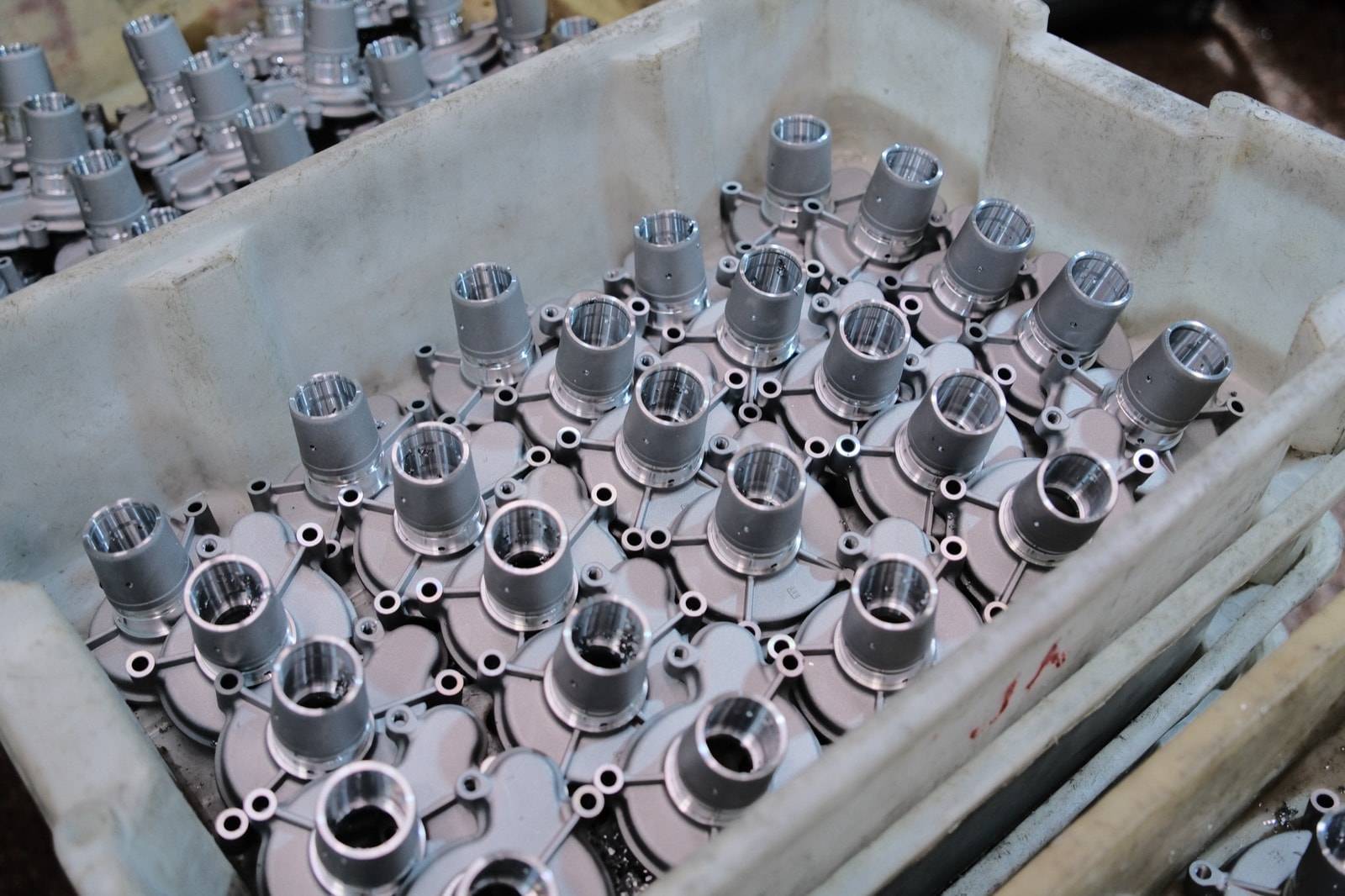
Water pump housings, pump covers, thermostat housings and oil pump end covers have to hold pressure without weeping while keeping their bearing bores and sealing faces accurate. Below: what makes them hard, how we handle them, and every case we have published.
What makes these parts hard
Leaks in a pressure housing usually start at thin water-passage walls, flange roots and spigot roots: once entrained gas links up with shrinkage in a heavy section, it forms a path that only shows under pressure. At the same time, the coaxiality of the bearing and seal bores and the flatness of the cover face decide whether the seals stay compressed over the part's life.
How we handle them
We form the critical bores and joint faces in the same die half and add local squeeze at heavy sections; CNC roughing and finishing are separate operations, with bores taken in one setup. Every pressure part is leak tested, at up to 0.6 MPa to your standard; at 0.25 MPa held for 30 s the leak rate is typically kept under 0.5%. In the cases published here, a water pump housing holds φ0.05 mm coaxiality with its leak rate cut from 6.2% to under 0.5%, and an oil pump end cover is flat to 0.02 mm.
Pump bodies & sealed housings · Production cases5
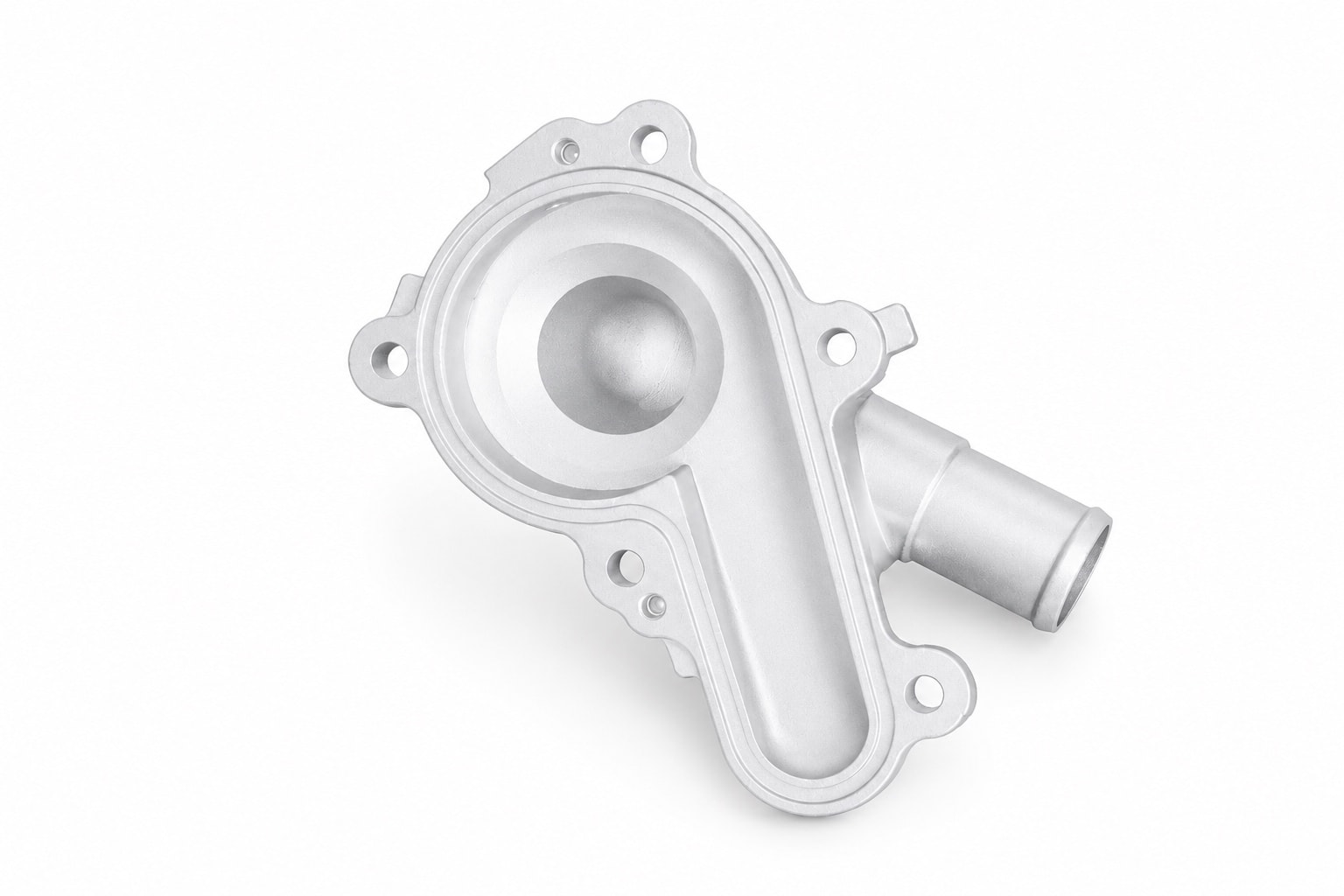
Motorcycle Aluminum Water Pump Housing
Three suppliers had failed on this housing, with 6.2% leaking on test. A new parting line, reworked gating and venting, and one-setup boring cut leaks to under 0.5%.
ADC12 (JIS H5302) · 约 380 g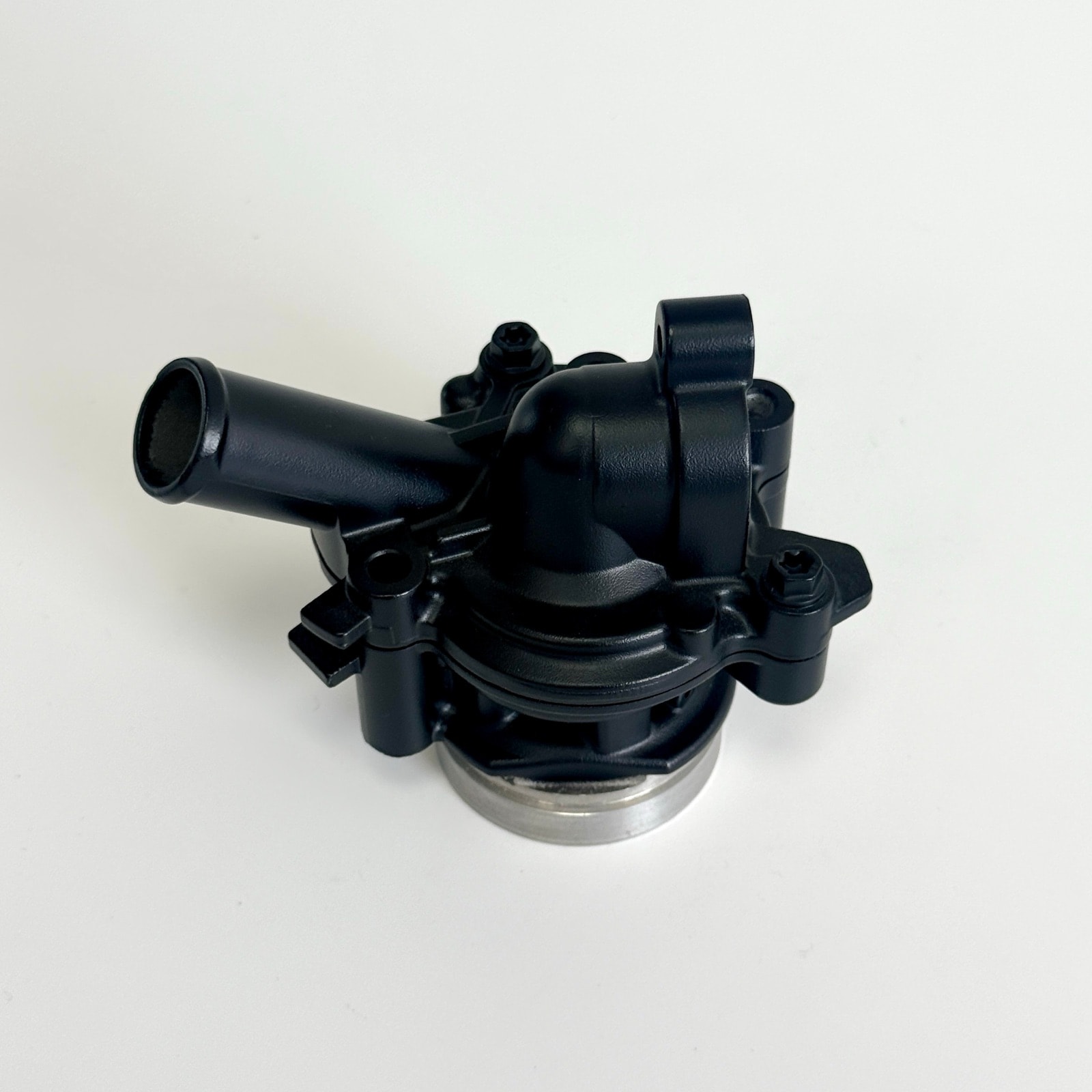
Cooling Water Pump Assembly for Motorcycles and Small Engines
One supplier from casting to finished pump. Leak tests before and after press-fitting, masked fits and monitored press force took incoming rejects to zero.
ADC12 (JIS H5302) · 约 480 g(总成)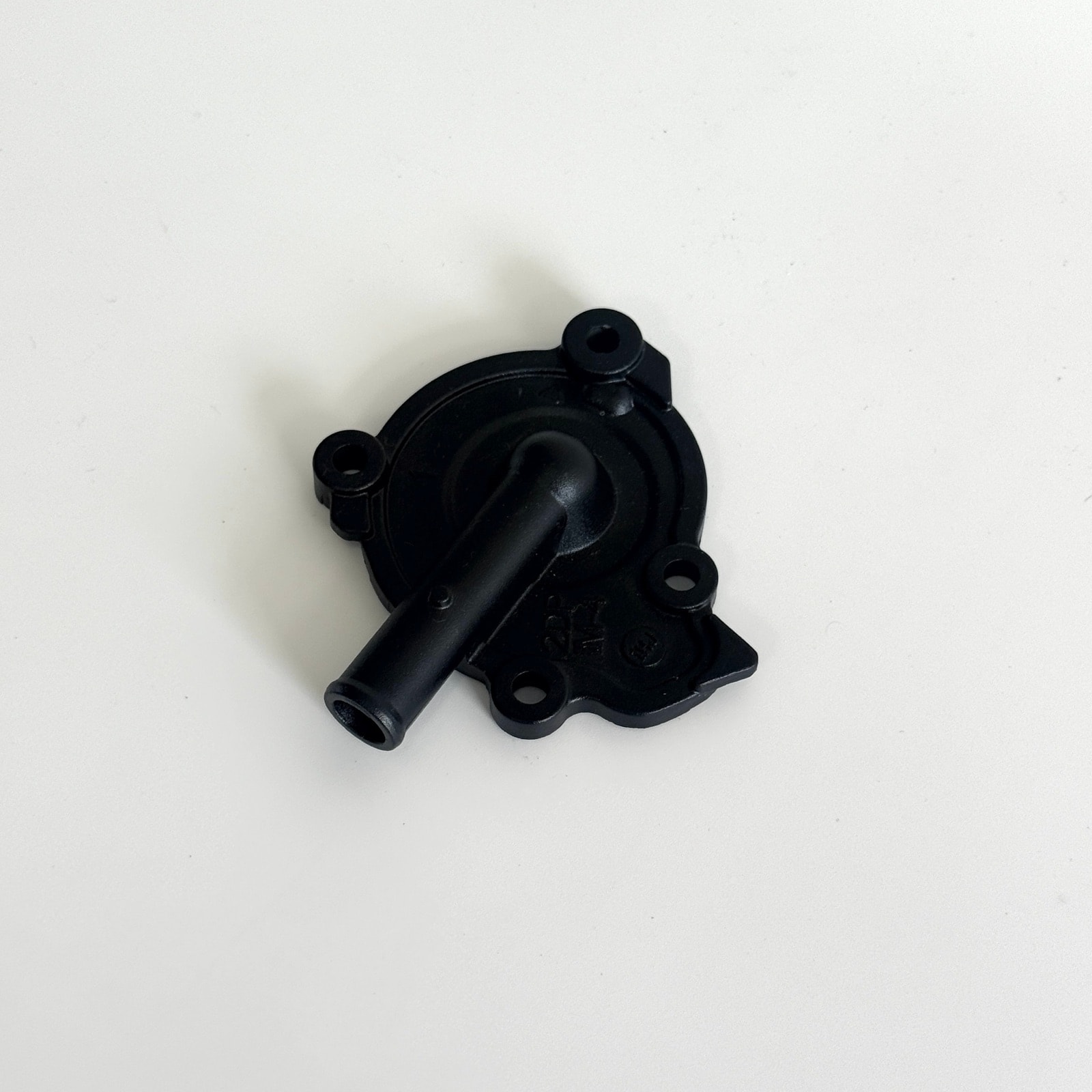
Engine Water Pump Cover
Shrinkage at the outlet-spigot root caused leaks. A graded root radius, local squeeze and leak testing before coating now give 99% first-pass yield.
ADC12 (JIS H5302) · 约 210 g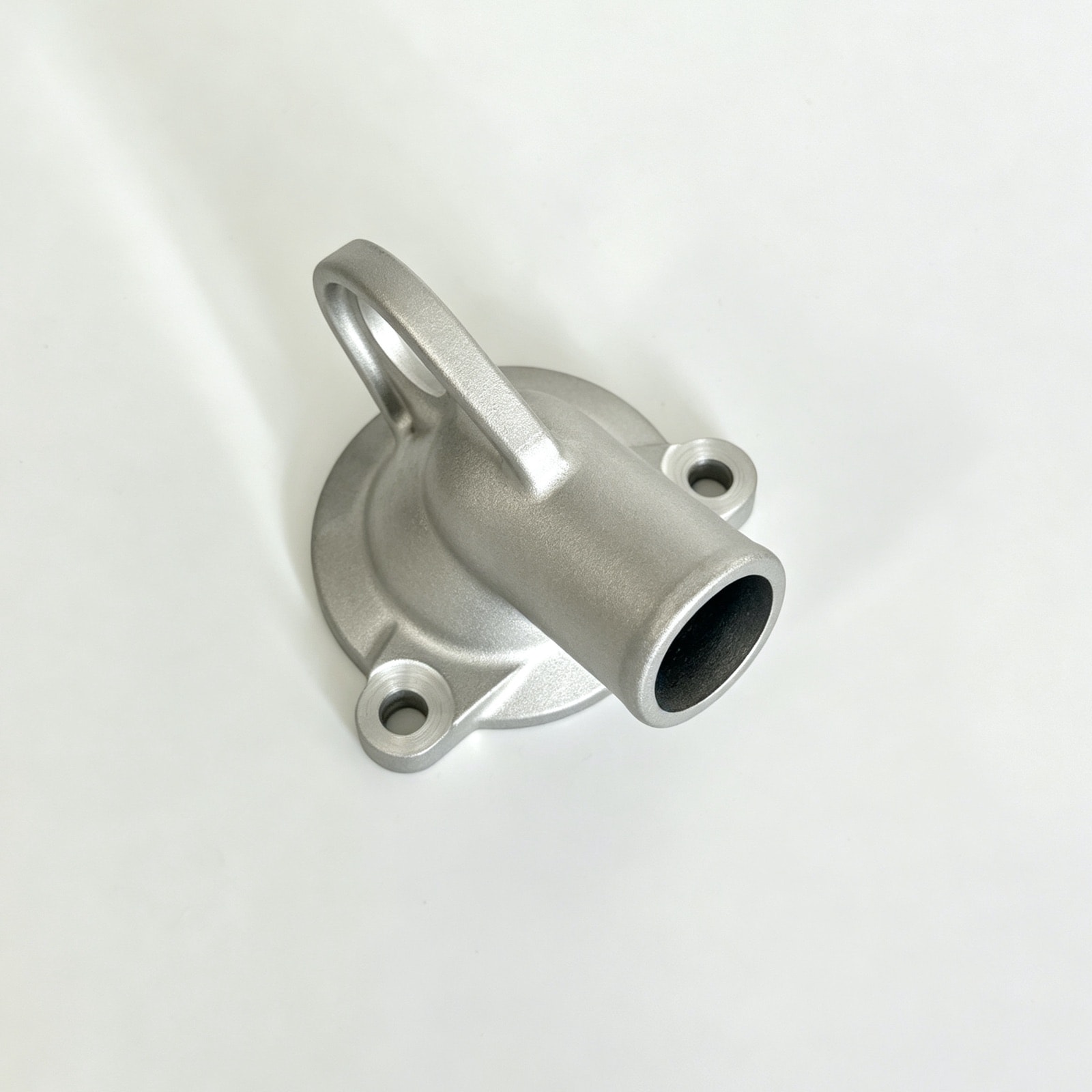
Engine Thermostat Housing
Thermal cycling moved the sealing face and coolant attacked porosity. Stress relief, impurity control and 100% leak testing keep field leaks under 0.1%.
ADC12 (JIS H5302) · 约 230 g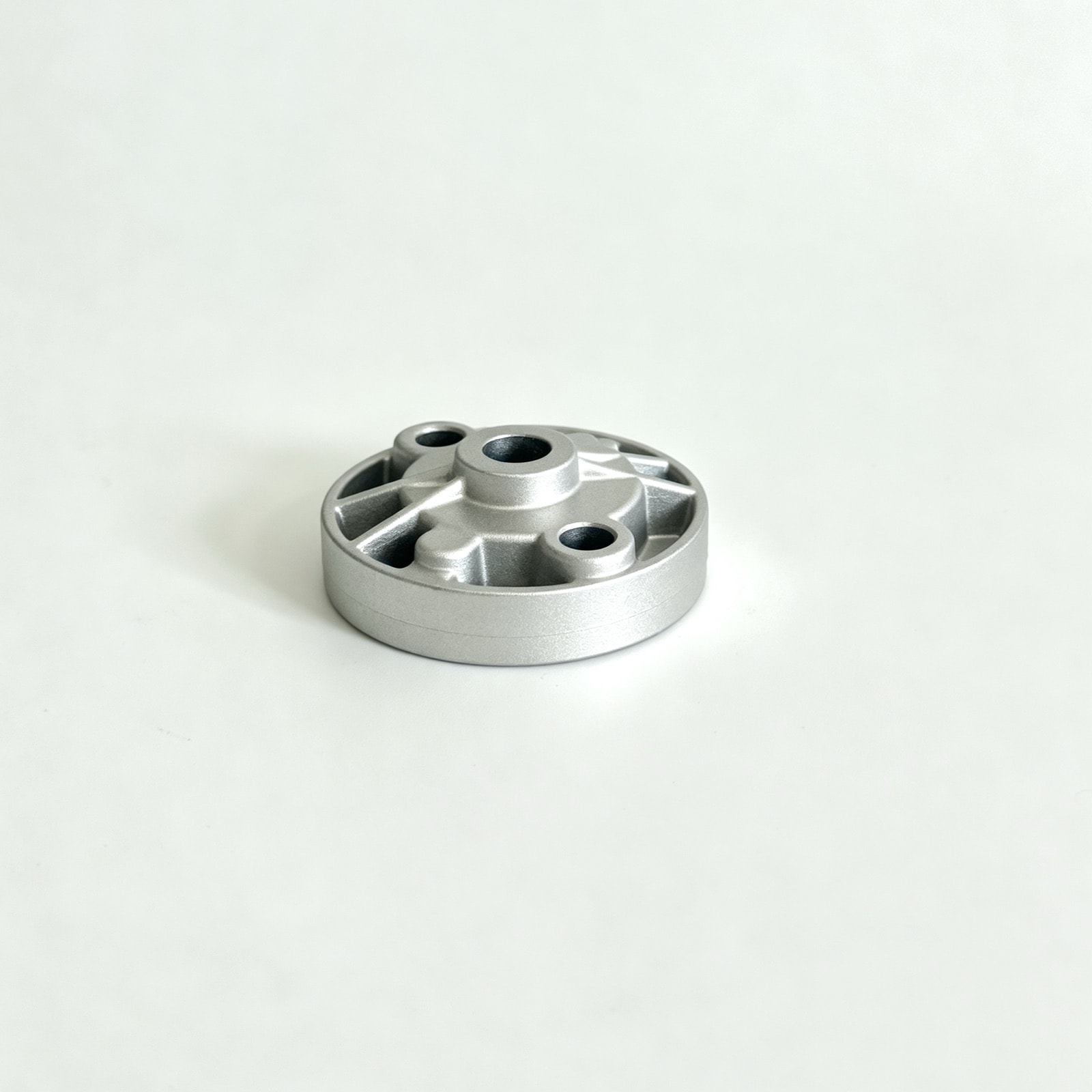
Engine Oil Pump End Cover
A 0.05 mm thickness error drops pump pressure by over 10%. Ground faces, vacuum chucking and thickness banding hold ±0.02 mm; over 99% pass pump pressure.
ADC12 (JIS H5302) · 约 120 gQuestions
What test pressure should a housing be leak tested at?+
It follows your drawing or the product's working pressure, normally with a margin above it. Our leak testers go up to 0.6 MPa; cooling pump parts are commonly tested at 0.25 MPa held for 30 seconds.
Can impregnation fix a leaking housing?+
Vacuum impregnation can be done where agreed in advance, but it is a remedy. We first bring the leak rate down through the die and the casting process, then impregnate only if your requirement calls for it.
Have a part like this?
Start with the cost estimator to see how the price is built, or upload a drawing for us to review — we reply within 24 hours.