CAPABILITIES · Zinc Die Casting · 02
Zinc die casting
We make zinc parts in Zamak 3 and 5 and ZA-8 and 12, from 20 g to 1.5 kg, with typical production walls of 1.0–3.5 mm and ±0.025 mm on small features within one die half. Our machines start at 160 t, and our work centres on functional and structural parts. Tooling, casting, CNC machining, finishing and inspection all happen in one factory, alongside your aluminum parts.
OVERVIEW
The zinc parts we make
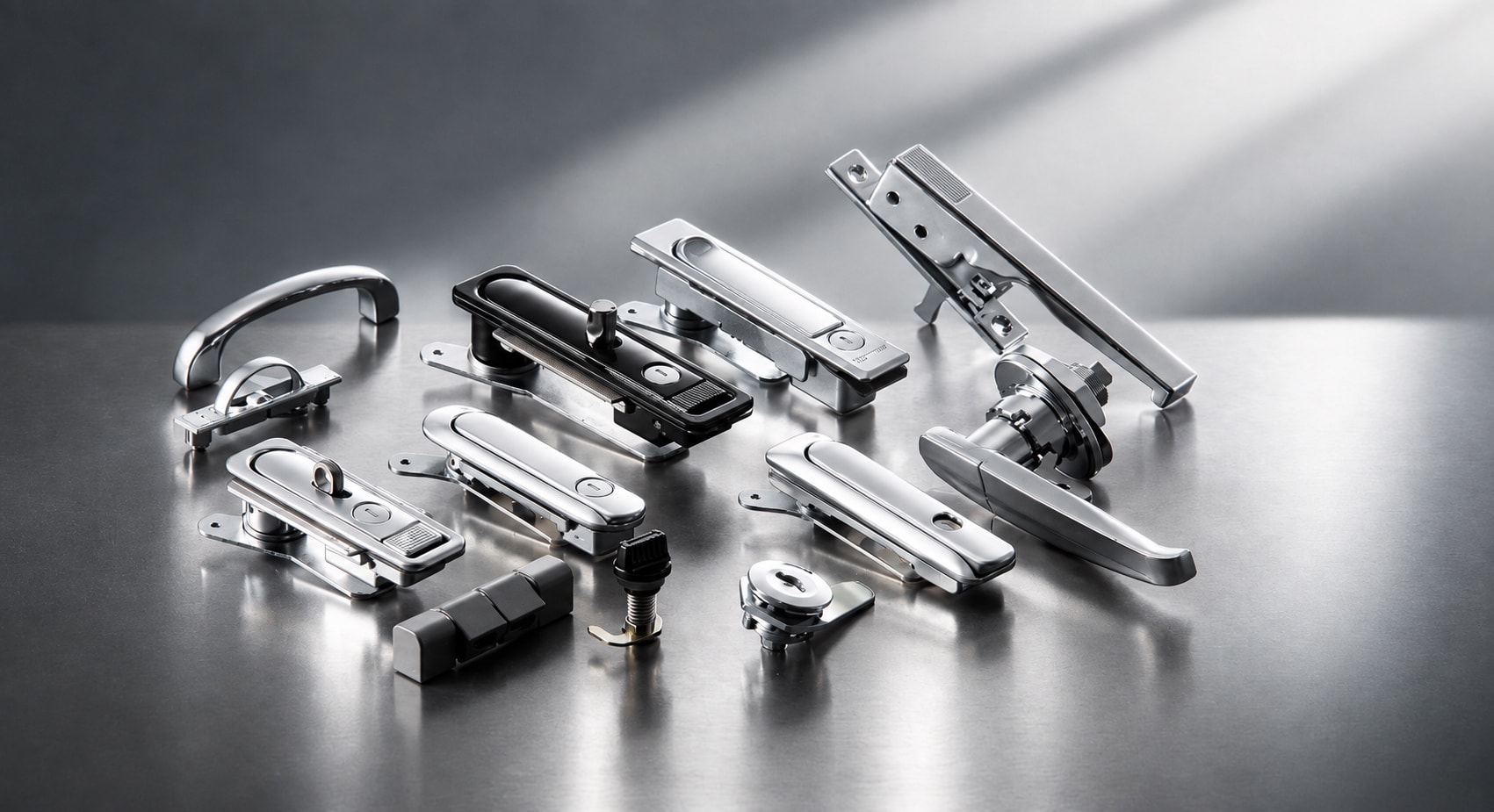
We can make you zinc parts — precision small parts, connecting parts, small structural parts and cosmetic parts — in Zamak 3, Zamak 5, ZA-8 and ZA-12, from 20 g to 1.5 kg.
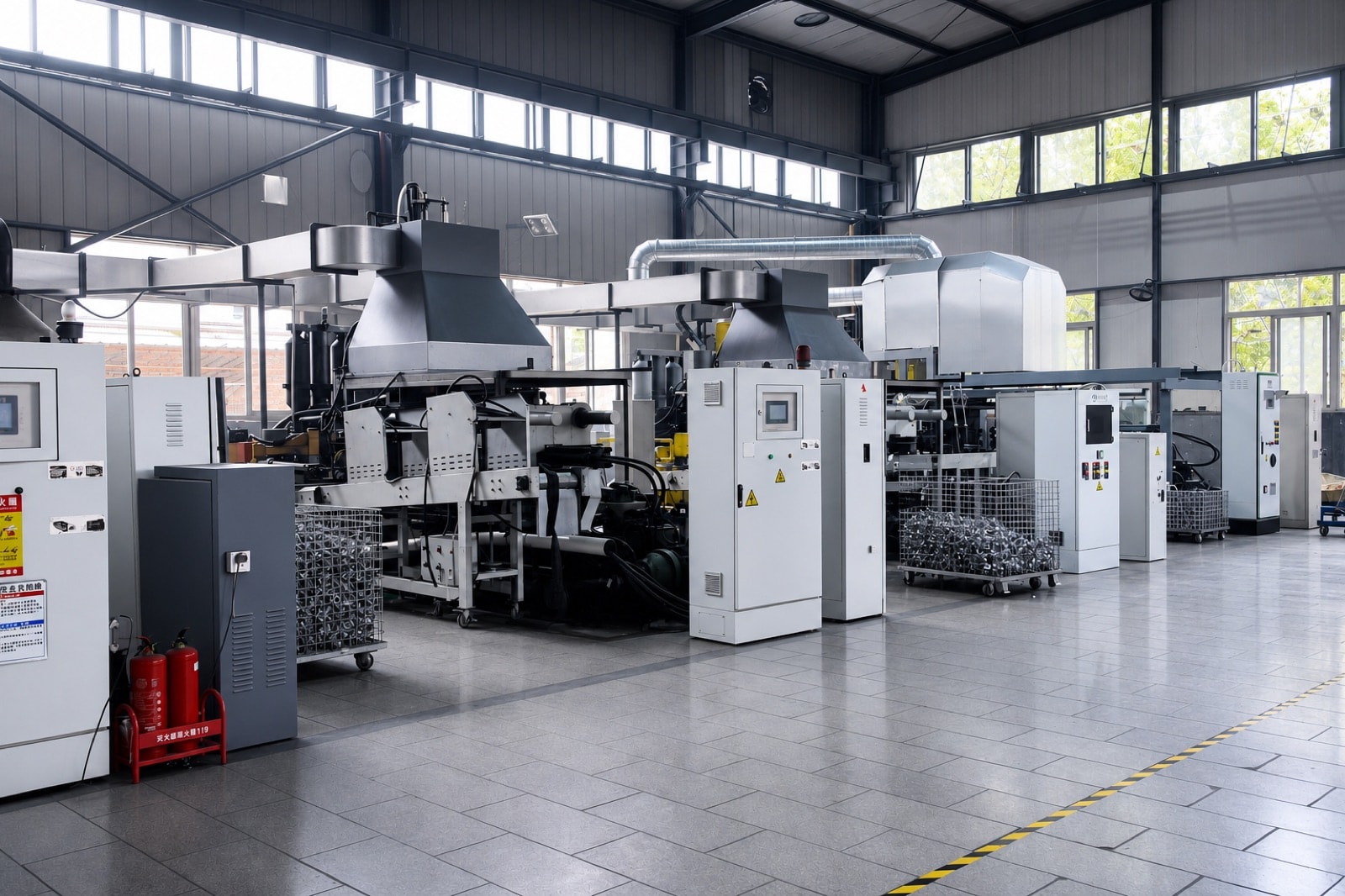
Zinc and aluminum parts come out of the same factory: ten die casting machines from 160 to 800 t, with tool design and build, CNC machining, finishing and inspection all joined up on site, so one order can cover zinc and aluminum parts together.
Capability at a glance
- Part weight
- 20 g – 1.5 kg
- Typical production wall
- Thinner locally, assessed for each part
- 1.0–3.5 mm
- Small features, one die half
- Precision grade ±0.05 mm (first 25 mm), general as-cast DCTG 4–5; tighter still by in-house CNC
- ±0.025 mm
- Grades we run
- Zamak 3, Zamak 5, ZA-8, ZA-12
- 4 grades
- Die life
- 250k–1M shots
- Die casting machines
- 160–800 t clamping force
- 10
From casting to finished part: one factory
Tool development, die casting, precision machining, surface finishing and quality inspection for zinc parts can all run in sequence on one site, as a closed-loop process. You can also hand us any single one of these stages on its own, as your project requires.
- 01
Tooling
Tools designed and built in-house, with flow simulation before steel is cut.
More → - 02
Casting
Ten machines from 160 to 800 t, zinc and aluminum under one roof; precision parts can be stabilised.
- 03
CNC machining
Fits and bores beyond casting tolerance are machined in-house.
More → - 04
Finishing
PVD, powder coating, sand and shot blasting, vibratory polishing; plating can be arranged through a partner plater.
More → - 05
Inspection and shipping
Dimensional inspection, outgoing checks and export packing.
Quality and inspection
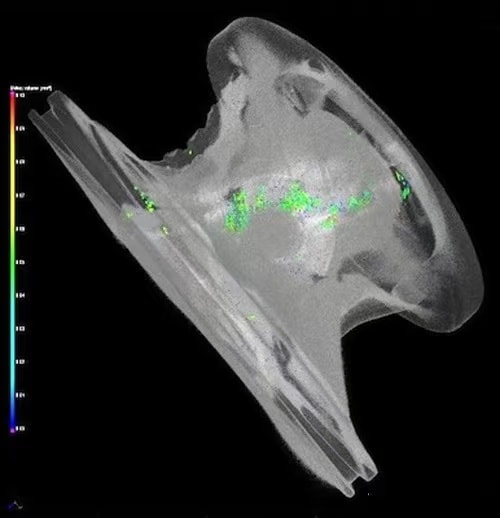
We work strictly to our ISO 9001:2015 quality management system; the specific tests and the form of the reports can be set to your requirements.
- 1
DimensionsCMM measurement, full or sampled; dimensional and first-article reports available.
- 2
Internal soundnessX-ray inspection for internal porosity.
- 3
MaterialComposition analysis, with material certificates available.
- 4
Appearance and process dataGraded visual judgement, with CPK data and 8D reports on request.
LEAD TIME
Lead time and order quantity
- 01DFM review3–5days
- 02Toolmaking30–45daysDetails →
- 03T1 trial3–5days
- 04Production, per batch25–35days
All of these times are estimates and depend on the part's design and complexity. Toolmaking normally takes 30–45 days, longer for a complex tool; sample testing depends on whether we test or you do, and some tools need a surface treatment that adds about 10 days before production. A pilot run can follow sample approval; in production each batch is delivered in about 25–35 days, depending on batch size. Production orders start at 500 pcs, and there is no minimum order quantity for samples or pilot runs.
CASE STUDIES
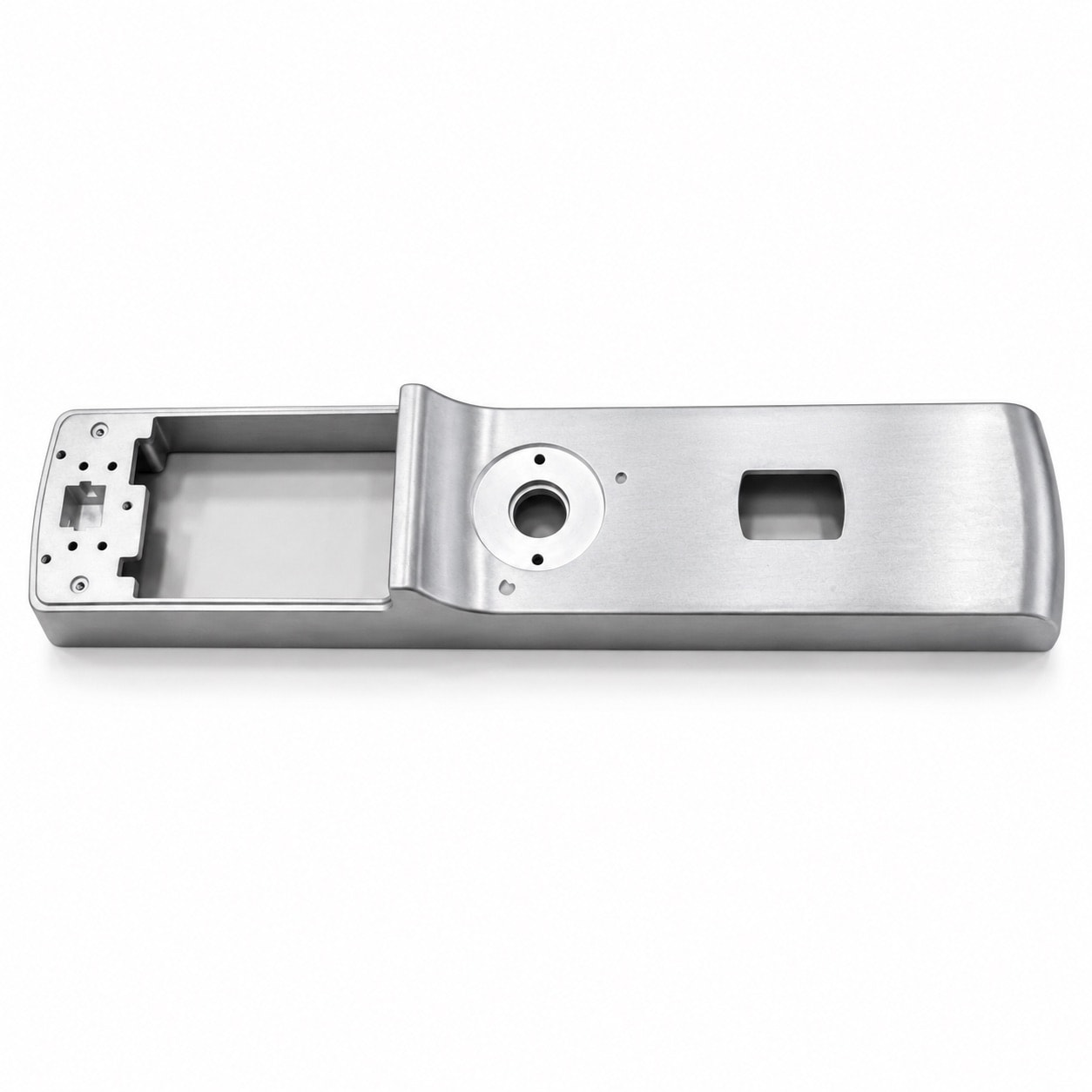
Parts made with this capability
FAQ
Questions we get
How large and heavy a zinc part can you make?+
From 20 g to 1.5 kg. Part size is limited by the machine's clamping force, and ours run from 160 to 800 t; send a drawing and we confirm it at the DFM stage.
How thin can a zinc part be?+
Typical production walls are 1.0–3.5 mm. How thin a wall can go depends directly on the design — part size, geometry, flow length and gate position all play a part — so we assess it against your drawing at the DFM stage.
What surface finishes are available for zinc parts?+
In-house we offer powder coating, sand blasting, shot blasting and vibratory polishing, covering both cosmetic and protective needs. If you need plating, we arrange it through a partner plater and take responsibility for the quality. The right finish can be settled at the DFM stage, based on what the part does and how it needs to look.
Zinc or aluminum?+
Zinc suits precision small parts and parts that need weight or strength: ±0.025 mm on small features within one die half, and 250k–1M shots of die life. Aluminum suits lightweight parts and anything to be anodised, with tools lasting around 100k shots. We run both, and can recommend one for your part at the DFM stage.
What MOQ and tooling cost apply to zinc parts?+
Production starts at 500 pcs; samples and pilot runs have no MOQ. Tooling cost is built the same way as for aluminum — base, steel, machining, mechanisms, trials — but zinc dies last far longer, so the cost per part amortises down further. Send a drawing and we will quote the tooling plan and piece price together.
FURTHER READING
Technical articles
- MATERIALS
Zamak 3 vs. Zamak 5: Composition, Performance, and Practical Selection for Zinc Die Castings
The difference is mainly copper. Composition and properties from NADCA data, and what the extra copper trades in strength, ductility, dimensional stability and creep.
- MATERIALS
Zinc Die Casting vs Aluminum Die Casting: How to Choose the Right Material for Your Part
Compare zinc and aluminum die casting by part size, weight, strength, wear, stability, machining, finish, assembly, tooling, and total cost.
- MACHINING
Four Levers for Controlling Distortion When Machining Zinc
Zinc has a low modulus, creeps easily and keeps shrinking after casting. Get clamping, cutting temperature, ageing and datums right and ±0.008 mm is a production tolerance.