
CAPABILITIES · Finishing, Assembly & Delivery · 05
Finishing, assembly and delivery
After die casting and CNC machining, we carry out surface finishing, assembly and final testing in-house. Finishing covers six processes: anodizing, PVD, powder coating, sand blasting, shot blasting and vibratory polishing. Six assembly lines produce about 250,000 sets a month, backed by leak, flow, CMM and X-ray testing. Plating is carried out by specialist partner platers that we coordinate, with the quality responsibility staying with us. You can choose to take delivery as as-cast blanks, machined parts or finished items.
OVERVIEW
Complete delivery
Once die casting and CNC machining are done, surface finishing, assembly and final testing are completed in the same factory. You deal with one supplier, and what arrives is ready to go straight onto your line. Whether you need as-cast blanks, machined parts or finished items, we handle packing and shipping, on FOB, CIF, DDP and other trade terms.

01 FINISHING
Finishing: six processes in-house
The six finishes below are done in-house. If you need plating, we arrange it through a partner plater and the quality responsibility stays with us; you can also nominate your own finisher and we will work with them.
- AnodizingFor aluminum parts, ideally in A360 (ADC12 tends to anodize grey); 5–15 μm film, colour held to ΔE ≤ 1.5.
- PVD coatingA decorative surface with a metallic look.
- Powder coatingFor aluminum and zinc parts; 60–80 μm film, cross-hatch adhesion 4B or better, in a choice of colours.
- Sand blastingFor aluminum and zinc parts; gives an even matte surface and can also prepare the surface before coating.
- Shot blastingFor aluminum and zinc parts; cleans the casting surface and removes fine burrs, suited to structural parts.
- Vibratory polishingFor aluminum and zinc parts; deburrs and rounds sharp edges in bulk for a smoother surface.
02 ASSEMBLY
Assembly: from bought-in parts to finished assemblies
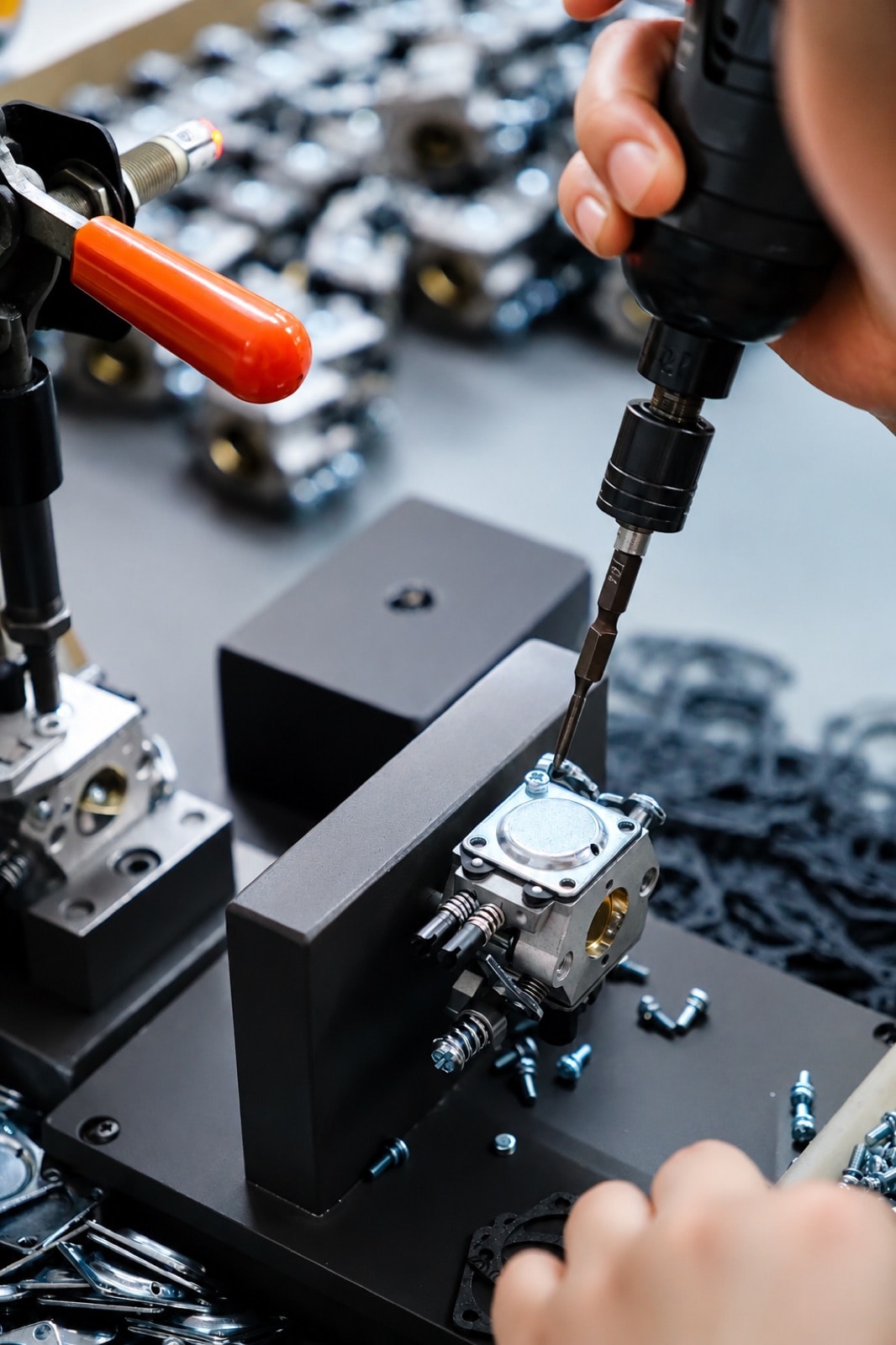
We run six assembly lines with a capacity of about 250,000 sets a month, handling the whole process from bought-in components to finished assemblies.
- 1
Component sourcingCovers precision brass parts (such as carburetor jets), metal stampings, springs, magnets, rubber seals, injection mouldings and badges; you can also nominate your own component suppliers.
- 2
Incoming inspectionAQL sampling at 0.65 for critical and 1.0 for major characteristics; critical items such as brass jets are 100% flow-sorted.
- 3
Assembly processDedicated fixtures and error-proofing; assemblies with press-fit operations have press force and depth curves monitored in real time, with out-of-range units automatically alarmed and recorded.
03 TESTING
Testing: function, dimensions and coatings

Before shipping, finished parts are tested item by item according to part type, covering function, dimensions, internal soundness and coatings; pressure-tight parts are 100% leak tested.
- 1
Functional testsPressure-tight parts are leak tested by pressure decay, commonly at 0.03–0.25 MPa held for 20–30 s; six flow benches handle flow testing of precision fluid parts, usually to ±2%; rotating parts can be balanced to 1 g·mm or better to suit performance requirements.
- 2
Dimensions and soundnessCMM measurement to ±0.003 mm; X-ray inspection for gas and shrinkage porosity.
- 3
Coating checksAdhesion is judged by cross-hatch (GB/T 9286), with film thickness and colour difference (ΔE ≤ 1.5) checked as well.
- 4
Traceability and documentsAll test data traces to lot and shift; material certificates, dimensional inspection reports, first-article (FAI) reports, leak and flow test records, X-ray reports and RoHS/REACH reports can ship with the goods.
04 DELIVERY
Delivery: blank, machined part or finished item
- As-cast blankCast, degated, shot blasted and sample-checked — if you have your own machining line.
- Machined partThe blank plus CNC machining, washing and full dimensional inspection — if you assemble in-house.
- Finished itemAdds finishing, bought-in parts, assembly, functional testing and packing — if you want the whole back end handled by one supplier.
Packing and shipping
- PackingExport cartons with EPE inserts, VCI rust protection available for metal parts, and pallets treated to ISPM-15 with certificates. Packaging materials, labels and barcodes can all be customised to your requirements.
- ShippingFOB, CIF, DDP and other trade terms; we can drop-ship to your end customers (neutral packing and documents), or run VMI or consignment stock.
CASE STUDIES
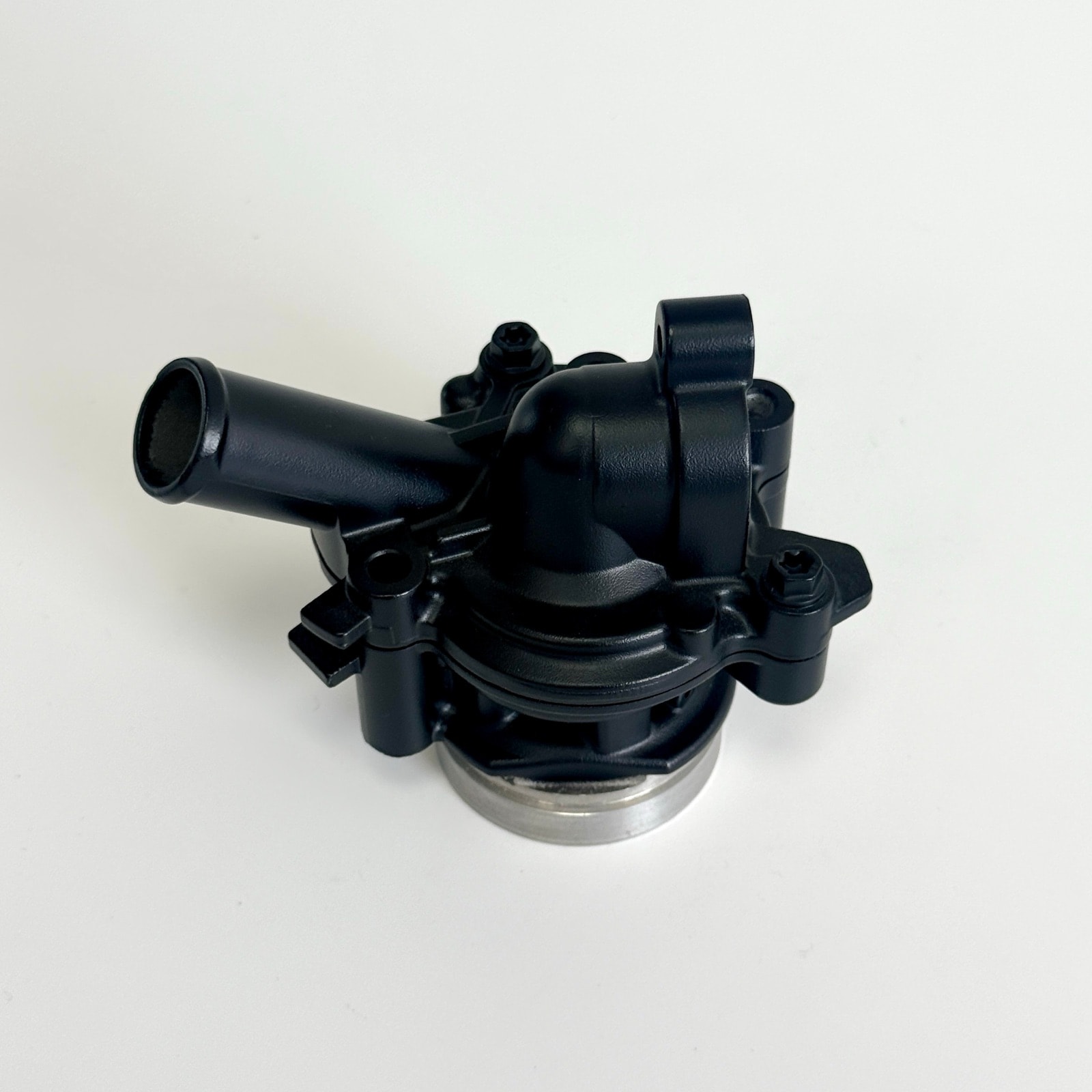
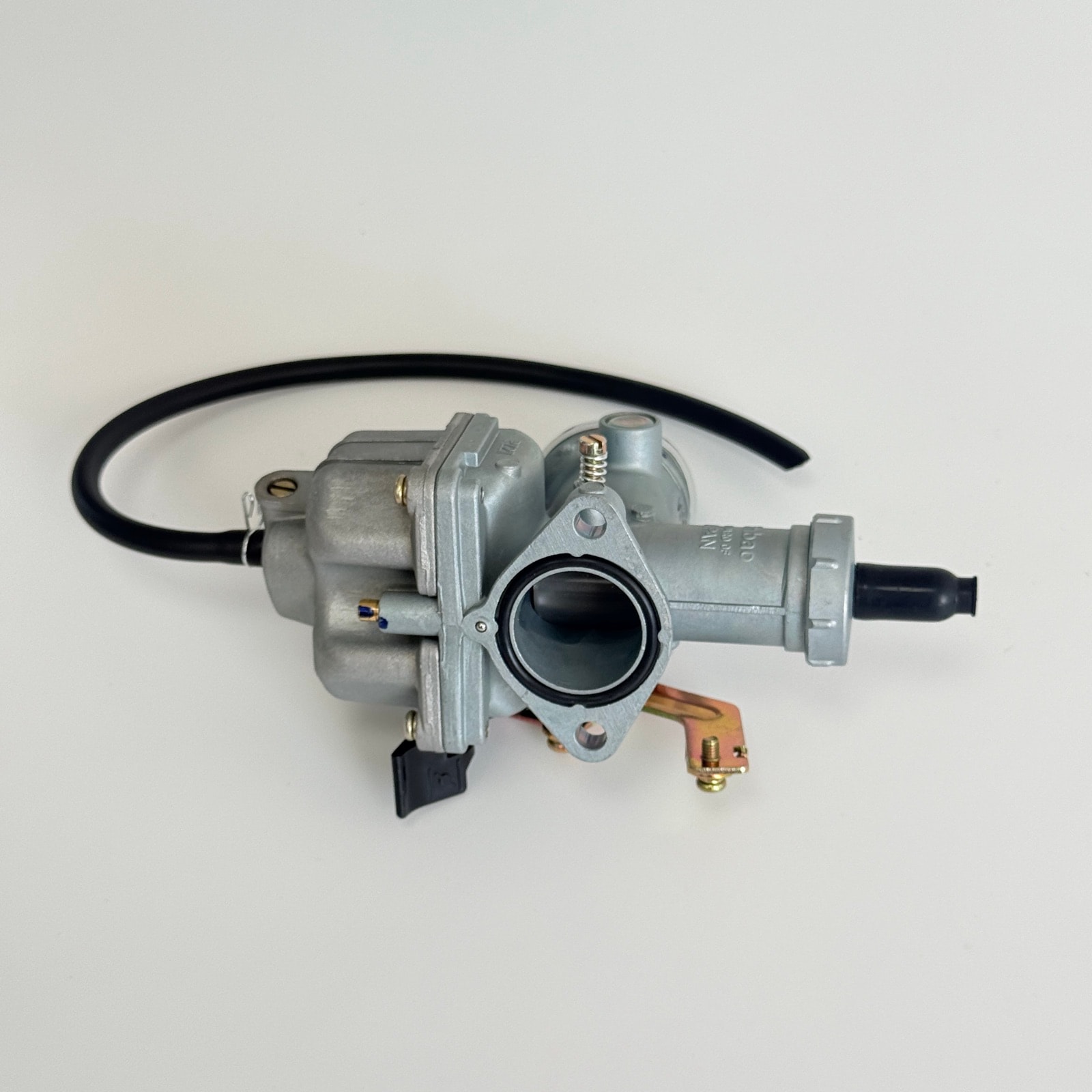
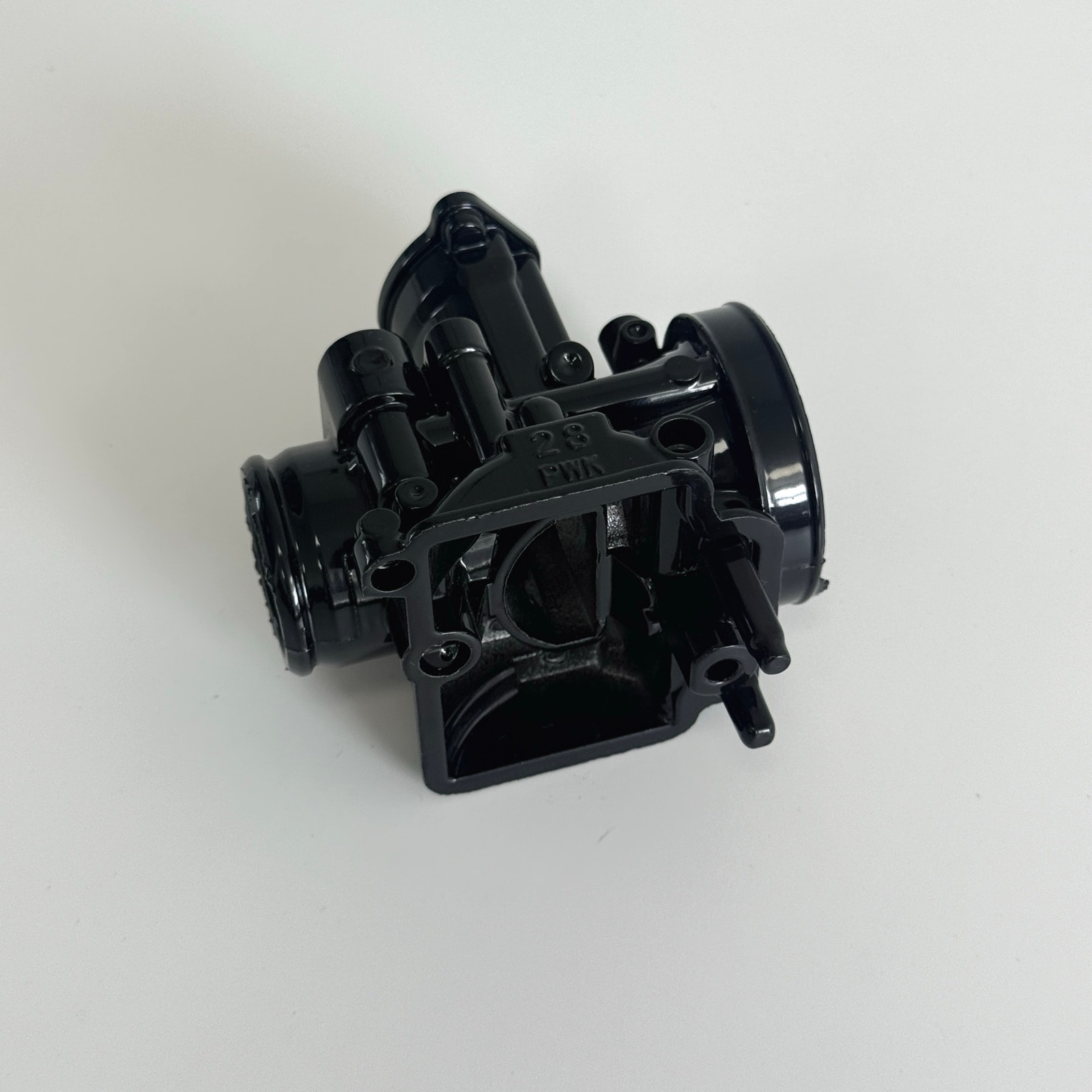
Parts made with this capability
FAQ
Questions we get
Which finishes can you do?+
In-house we offer anodizing, PVD, powder coating, sand blasting, shot blasting and vibratory polishing. Anodizing is for aluminum parts only, ideally in A360; powder coating, sand blasting, shot blasting and vibratory polishing suit both aluminum and zinc parts. If you need plating, we arrange it through a partner plater and the quality responsibility stays with us.
Can we nominate our own finishing supplier?+
Yes. We coordinate with the supplier you nominate, handling delivery, progress tracking and logistics both ways. In that case the contract needs to set out who is responsible for what: the process specification and acceptance criteria are agreed between you and that supplier, while we are responsible for casting and machining quality and a 100% visual check before parts are sent out. We recommend agreeing a clear method of judgement in advance, such as sectioning or ΔE colour measurement.
If a finish is defective, who is responsible?+
For finishes done in-house and plating we arrange through partners, the responsibility is ours, and you deal with us alone. We carry out a root-cause analysis internally, but that does not hold up your compensation or replacement parts. Judgement is based on data: a blistered coating is sectioned to check for voids beneath the blister and whether the substrate is flat; anodizing colour difference is measured for ΔE with a colorimeter. Where you nominated the supplier, the contract terms apply.
Can you do custom packing and ship to our customers?+
Both. Packaging materials, carton sizes, inserts, label content and placement, barcode format and inserted instructions can all follow your requirements, and we make a packing sample for your approval first. We can also ship directly to your end customers in neutral packaging with neutral documents that carry none of our details, or run VMI or consignment stock from an agreed warehouse, invoiced on actual draw-down. Special packaging materials and labour are added to the piece price, so we suggest sending your packing requirements at the quotation stage.
What quality documents can you provide?+
The following can ship with the goods: material certificates (including spectrometer analysis reports), dimensional inspection reports, first-article (FAI) reports, leak and flow test records, X-ray sampling reports, balancing data, RoHS/REACH reports and lot traceability records (traceable to furnace heat number and shift). Third-party test reports can be arranged on request at extra cost. We suggest confirming which documents you need at the quotation stage, as some tests add to cost and affect lead time.
FURTHER READING
Technical articles
- QUALITY
Die Casting Leak Testing and Impregnation: How to Specify Pressure-Tight Parts
What a pressure-tight die casting specification needs to state — test pressure, medium, leak limit and when testing happens — how to trace a leak, and when impregnation is and is not appropriate.
- QUALITY
Why Low Scrap Rate Does Not Always Mean High Quality in Die Casting Production
A practical guide for buyers and manufacturing engineers on hidden porosity, inspection limits, process capability, and the questions to ask die casting suppliers.