INDUSTRIES · Smart Locks & Door Hardware
Die castings for smart locks and door hardware
We make zinc panels, handles and lock-body parts for smart-lock and door-hardware brands: Zamak 3/5 for cosmetic parts, ZA-12 where lock-body parts need strength and wear resistance. Tooling, casting, CNC, PVD and powder coating all happen in-house.
- Zamak 3/5 cosmetics plus high-strength ZA-12
- PVD, powder coating and blasting in-house
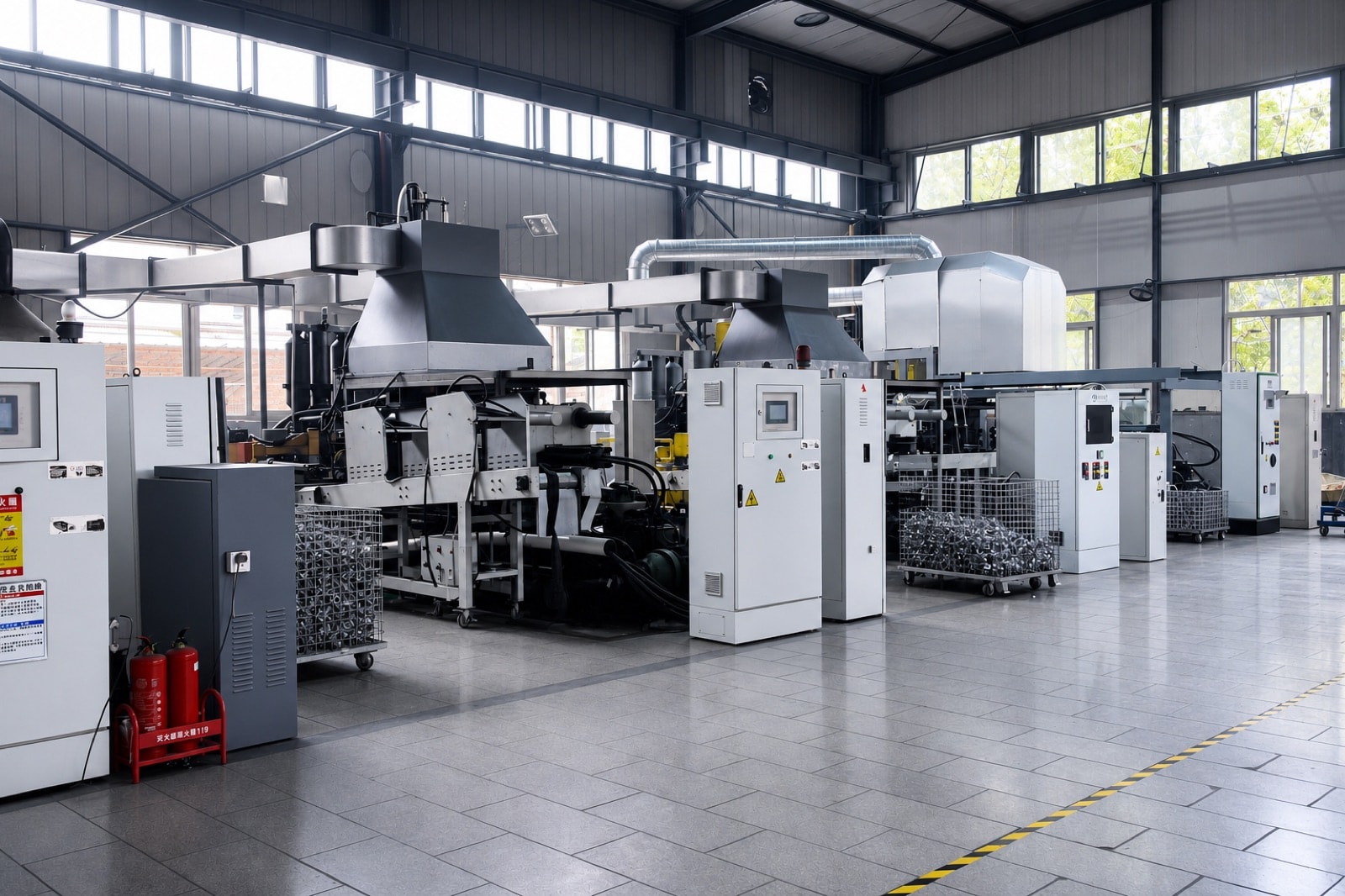
- Ten 160–800 t machines, sized for panels
- Tooling to finishing under one roof
OVERVIEW
What we make for locks and door hardware
Smart-lock panels and handles have to do three things at once: feel substantial in the hand, show a flawless face, and sit tight against the door. Zinc is the mainstream material for them. We cast panels, handles and trim in Zamak 3 and Zamak 5, and are in series production of fingerprint-lock front panels for a Chinese smart-lock brand.
Our ten machines from 160 to 800 t are well suited to larger zinc parts such as panels; lock parts run about 20 g–1.5 kg. We also cast high-strength ZA-12 — about 404 MPa tensile and HB 100, with wear behaviour close to tin bronze, it suits the clutches, levers, cams and latch bolts inside a lock body.
Tool design, casting, CNC machining, PVD, powder coating, blasting and vibratory finishing are all done here; plating is arranged through a partner shop, with quality responsibility staying with us. We cast aluminum too, so aluminum door-hardware housings can go on the same order as the zinc parts.
CASE STUDIES
Representative parts
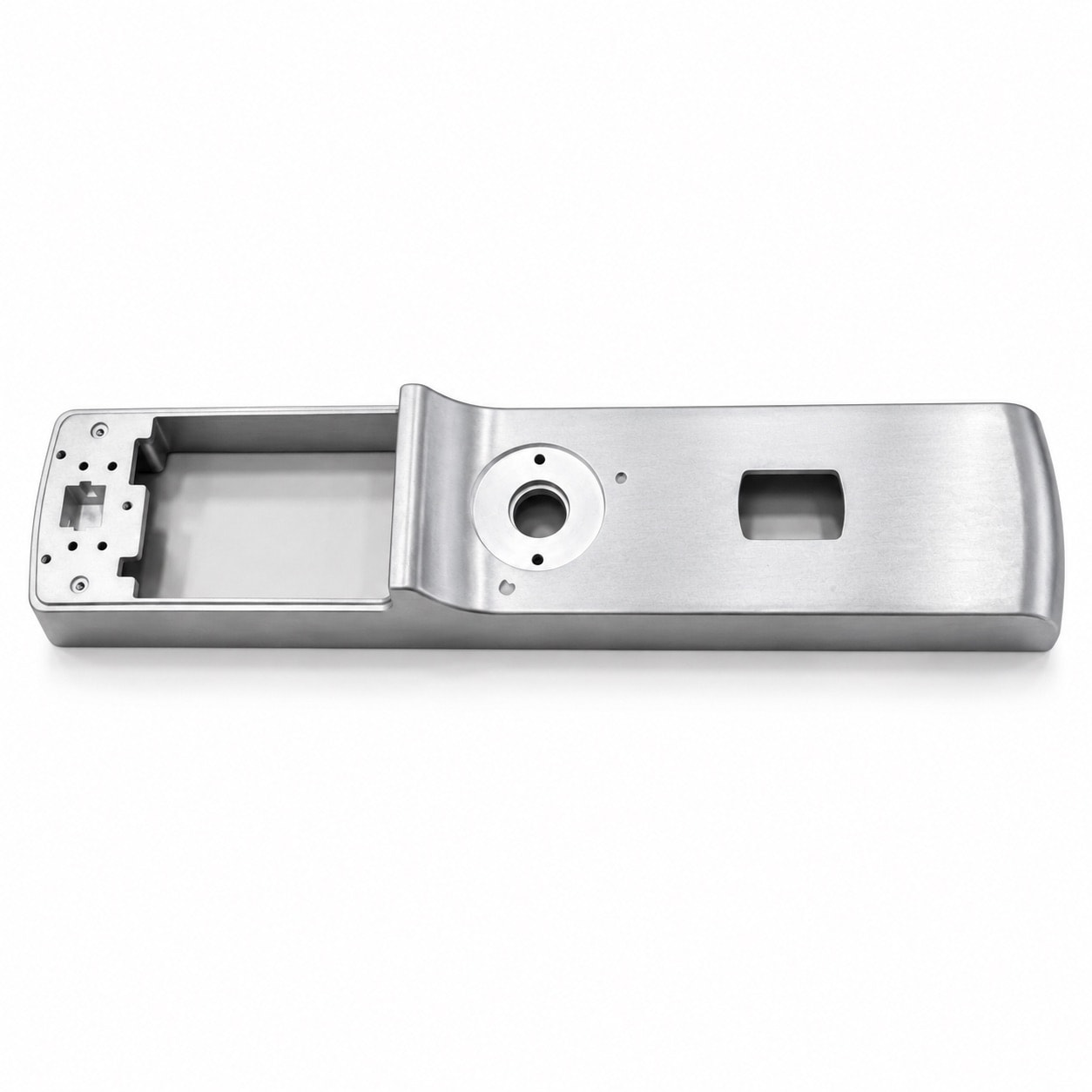
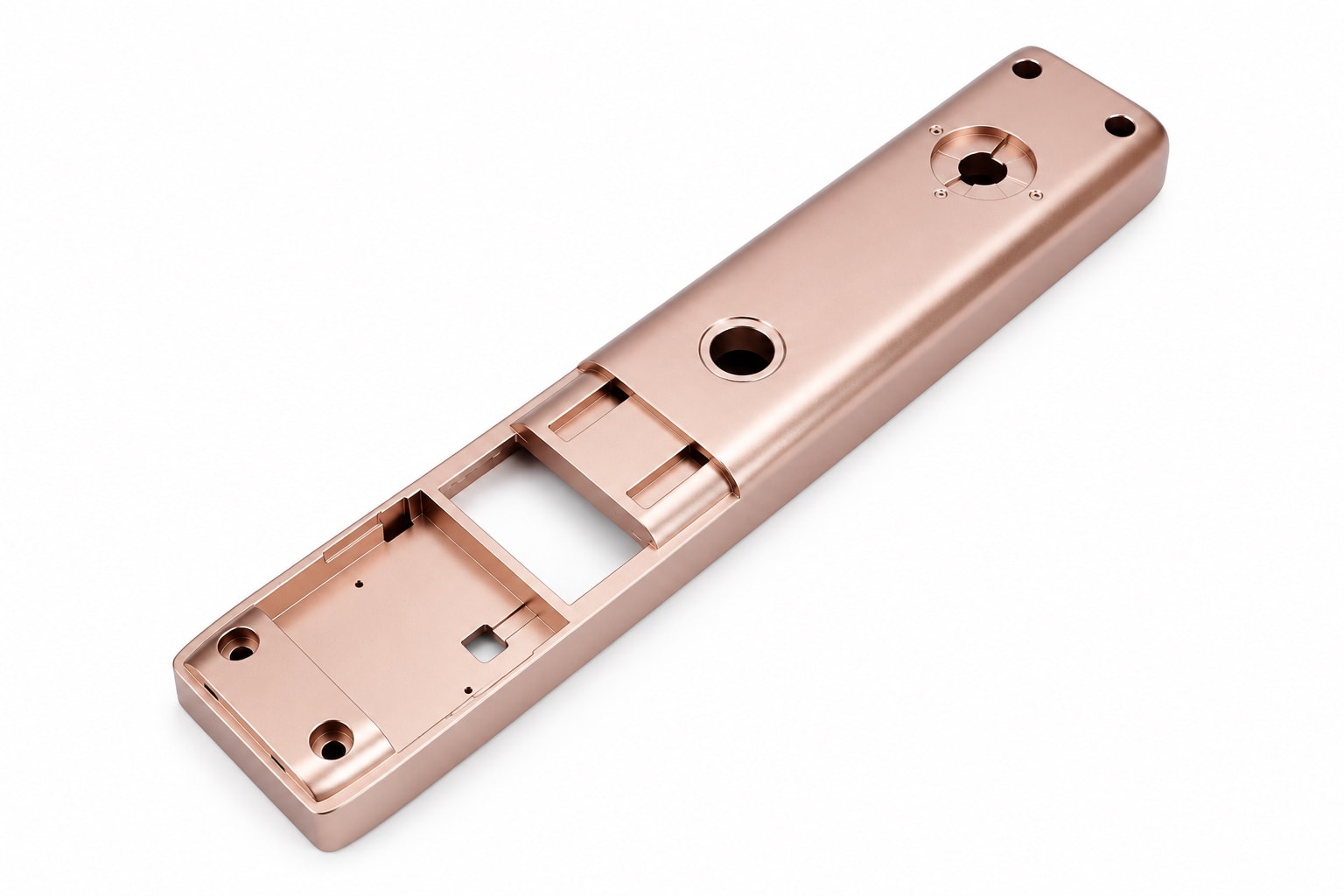
Zinc Alloy Smart Door Lock Front Panel
Zamak 5 · 约 450 g
Plating blistered and flow marks marred the show face. Gates sized to each region and knit lines moved off it cut blisters from about 8% to under 0.5%.
Read the case →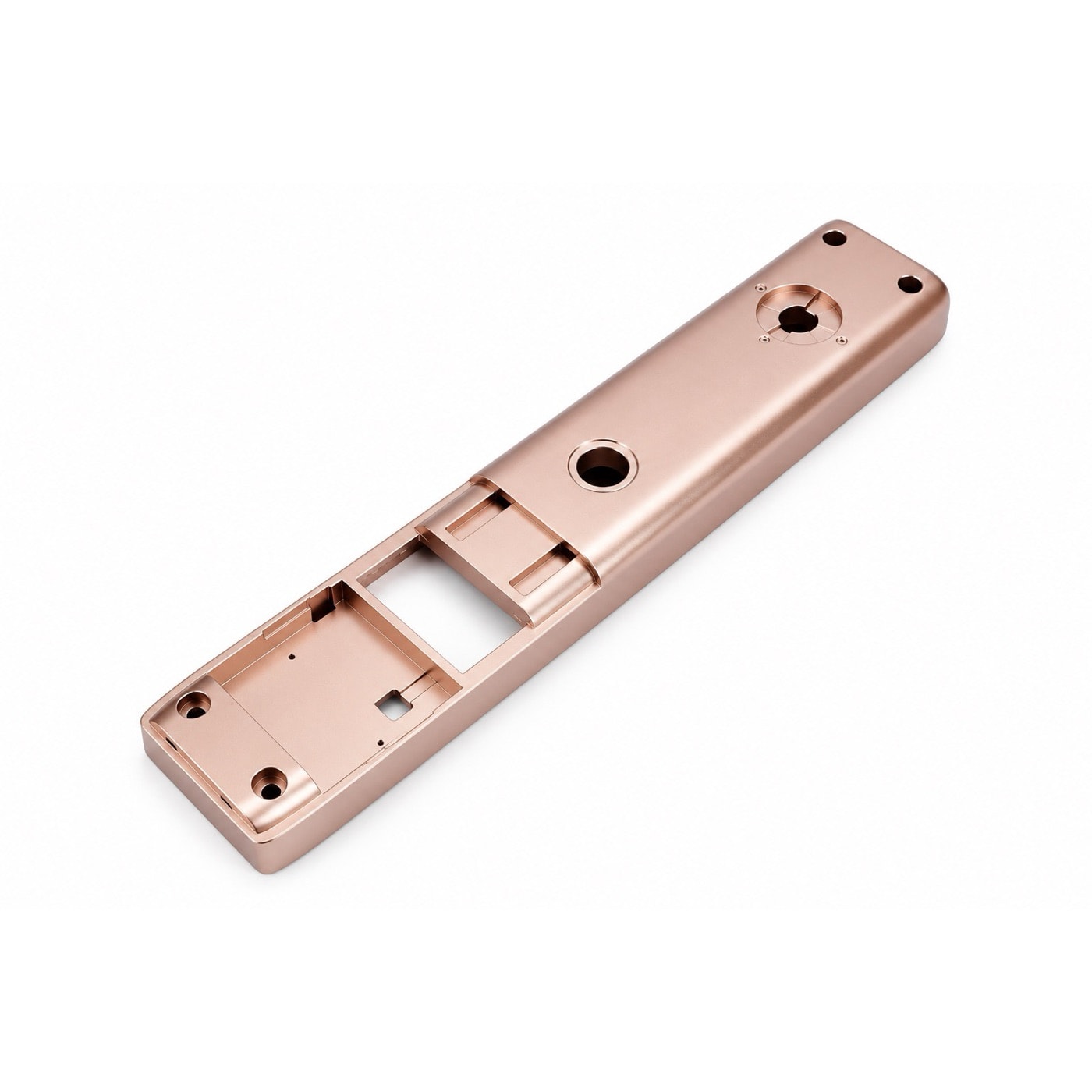
Zinc Alloy Smart Lock Panel with Rose-Gold PVD
Zamak 3 · 约 420 g
A 300 mm panel that warped after casting, under a PVD film too thin to hide sink marks. Cored bosses, zoned cooling and per-load colour checks give 0.15 mm flatness and ΔE ≤ 1.0.
Read the case →TERMS
Working with us
Sampling lead time
Metal 3D-printed or CNC-machined prototypes before tooling; samples from a simplified or modified tool in 7–15 days; a production tool normally takes 30–45 days to build and T1 trials 3–5 days; plated parts need 7–10 more days for the first piece.
MOQ
No MOQ for samples and pilot runs; production from 500 pcs.
Documentation
Available on request: material certificates, dimensional and first-article (FAI) reports, cosmetic inspection records and RoHS/REACH reports.
Nominated suppliers
We buy to your nominated grade or alloy supplier and can use your nominated plater or component suppliers, with responsibilities set out in the contract.
HOW A PROJECT RUNS
From drawing to production: how we work with you
- 01
Cosmetic and design review
We confirm A / B / C faces, the finish and the assembly features, and use flow simulation to keep weld lines and ejectors off the cosmetic faces.
- 02
Tool design and build
Tools are designed and built in-house. Zinc tools last 250k–1M shots, ZA-12 tools around 150k–300k, and they belong to you.
More → - 03
First article and cosmetic samples
T1 samples can come with a dimensional report, and we agree boundary samples and colour panels with you as the production standard.
- 04
Pilot run
The full route — casting, machining, finishing and assembly — is proven and the yield confirmed before production starts.
- 05
Production and delivery
Cosmetic parts are checked piece by piece and packed in separated trays; production from 500 pcs, 25–35 days per batch.
WHAT WE GUARANTEE
Lock parts: the three things you care about most, and how we deliver them
- 01
Appearance: clean A faces
Weld lines are routed off the cosmetic face and ejectors kept to the hidden side, with faces graded A / B / C against your boundary samples. On a fingerprint-lock panel, re-proportioning the gates brought plating blisters below 0.5%.
See the case → - 02
Finish: metallic look, consistent colour
PVD, powder coating, blasting and vibratory finishing are done here, so parts do not travel between factories; plating goes to a partner shop under our responsibility.
More → - 03
Strength: ZA-12 for lock-body parts
Clutches, levers and cams inside a lock take repeated impact and wear. ZA-12 gives about 404 MPa tensile, 320 MPa yield and HB 100, can replace some bronze parts, and machines well for precision fits.
More →
PROCESSES
Processes, materials and finishes we use
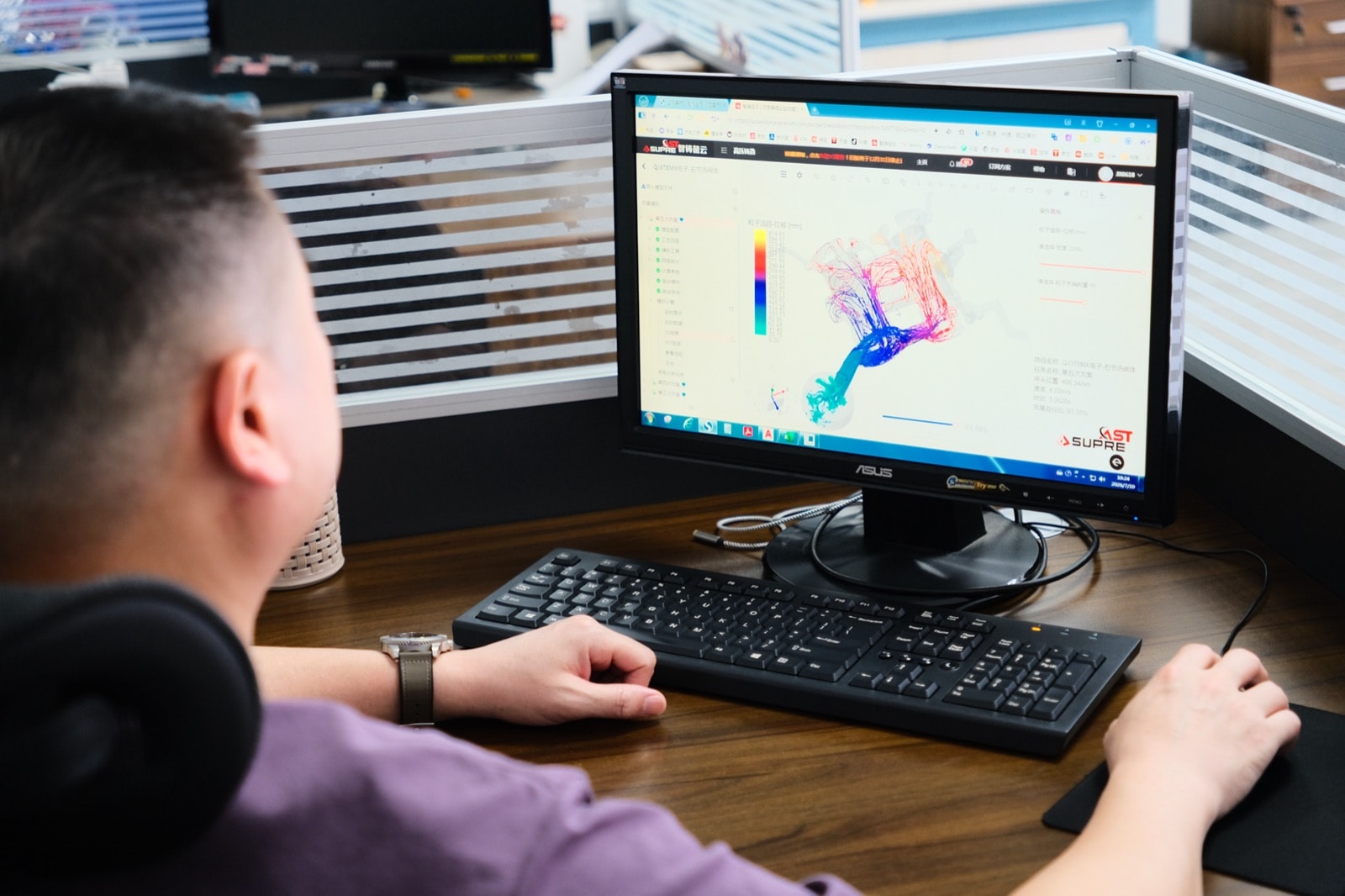
Tool design and build
Designed and built in-house with flow simulation first; zinc tools last 250k–1M shots and belong to you.More →
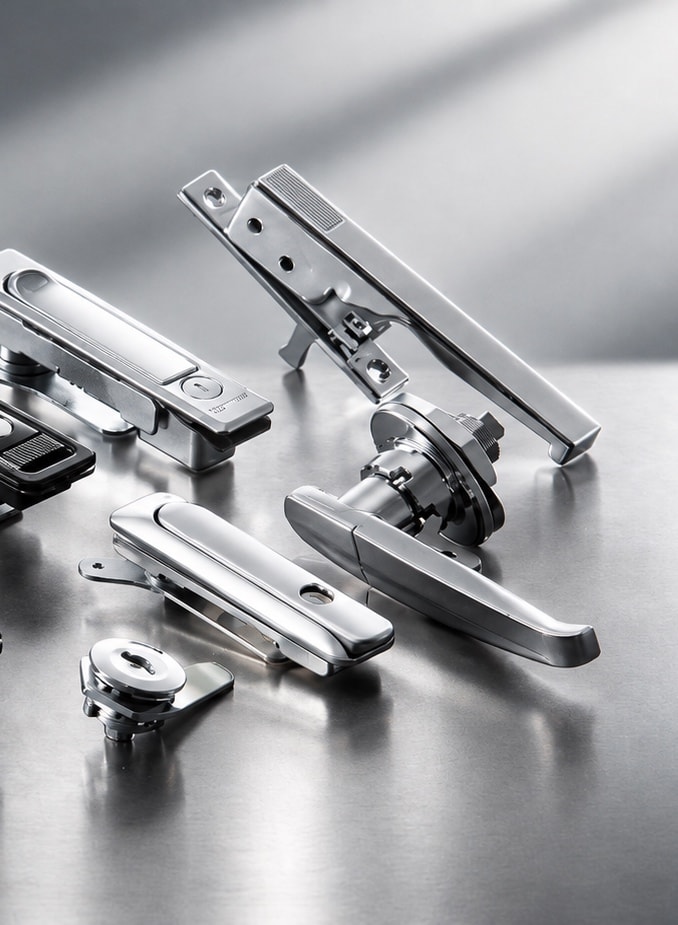
Zinc die casting
Ten machines from 160 to 800 t; Zamak 3/5 for cosmetic parts, ZA-12 for high-strength parts.More →
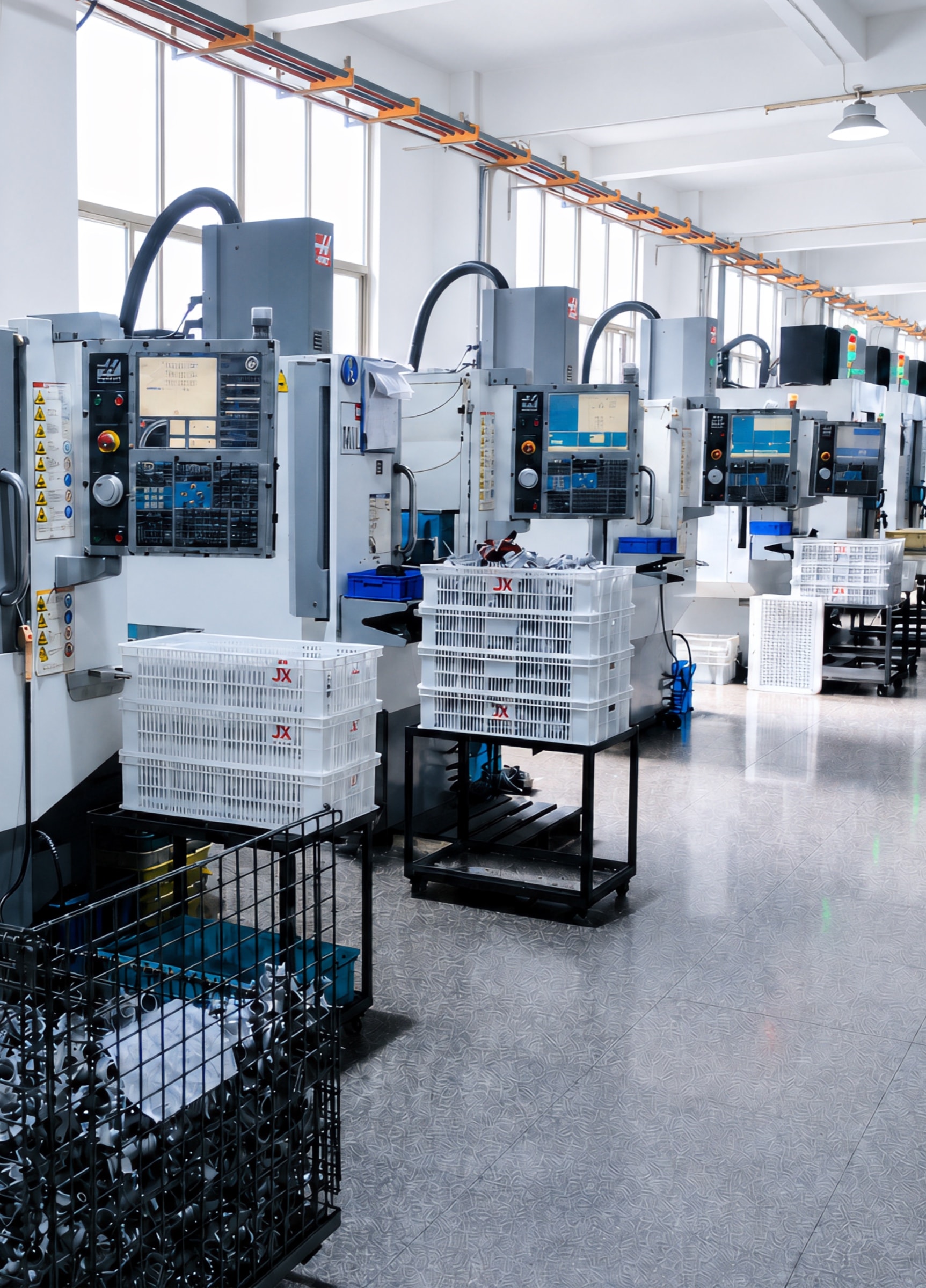
CNC machining
Assembly holes, threads and mating faces machined in-house, in zinc and aluminum.More →
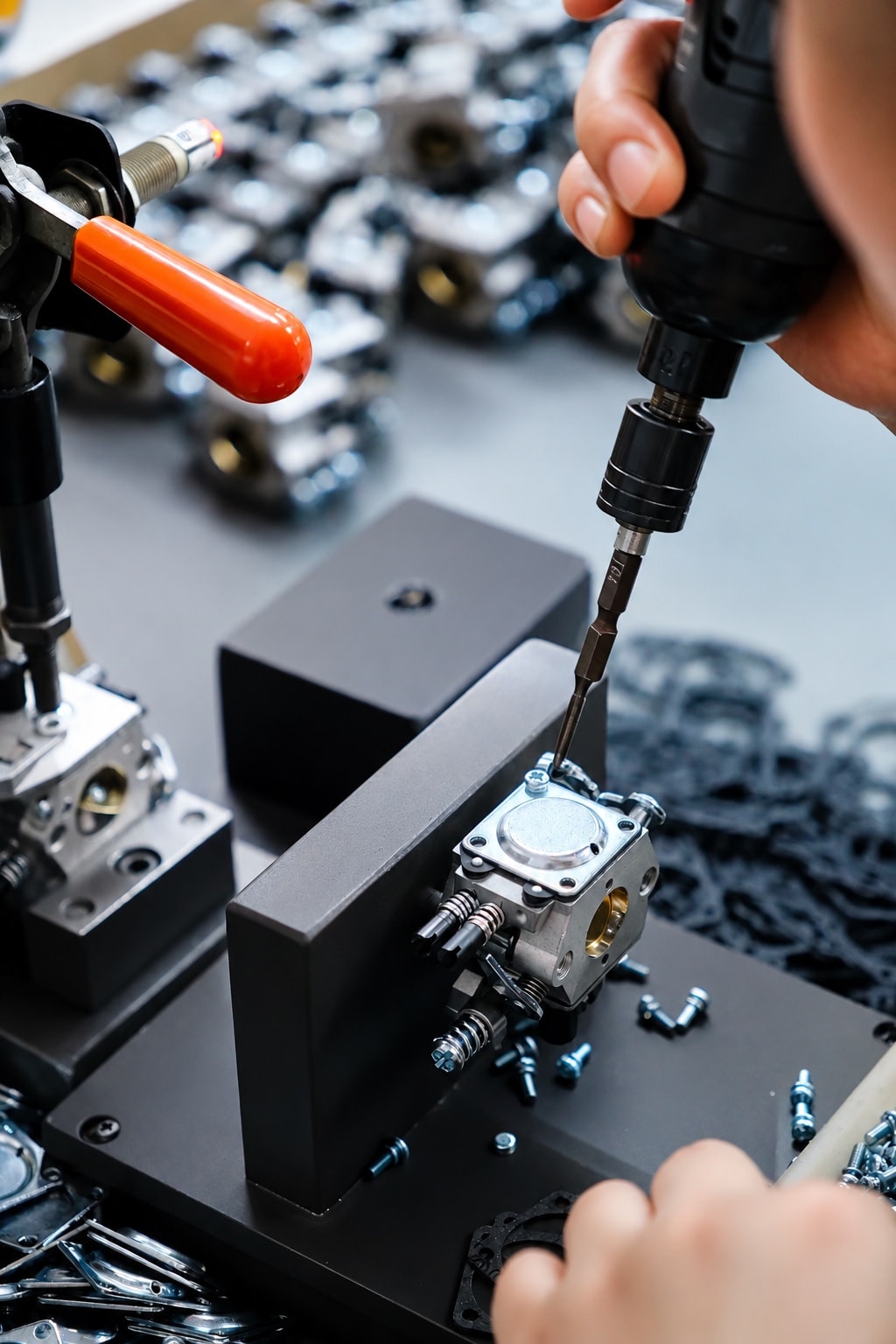
Finishing and assembly
PVD, powder coating, sand and shot blasting and vibratory finishing in-house; plating arranged through a partner shop.More →
Choosing the alloy
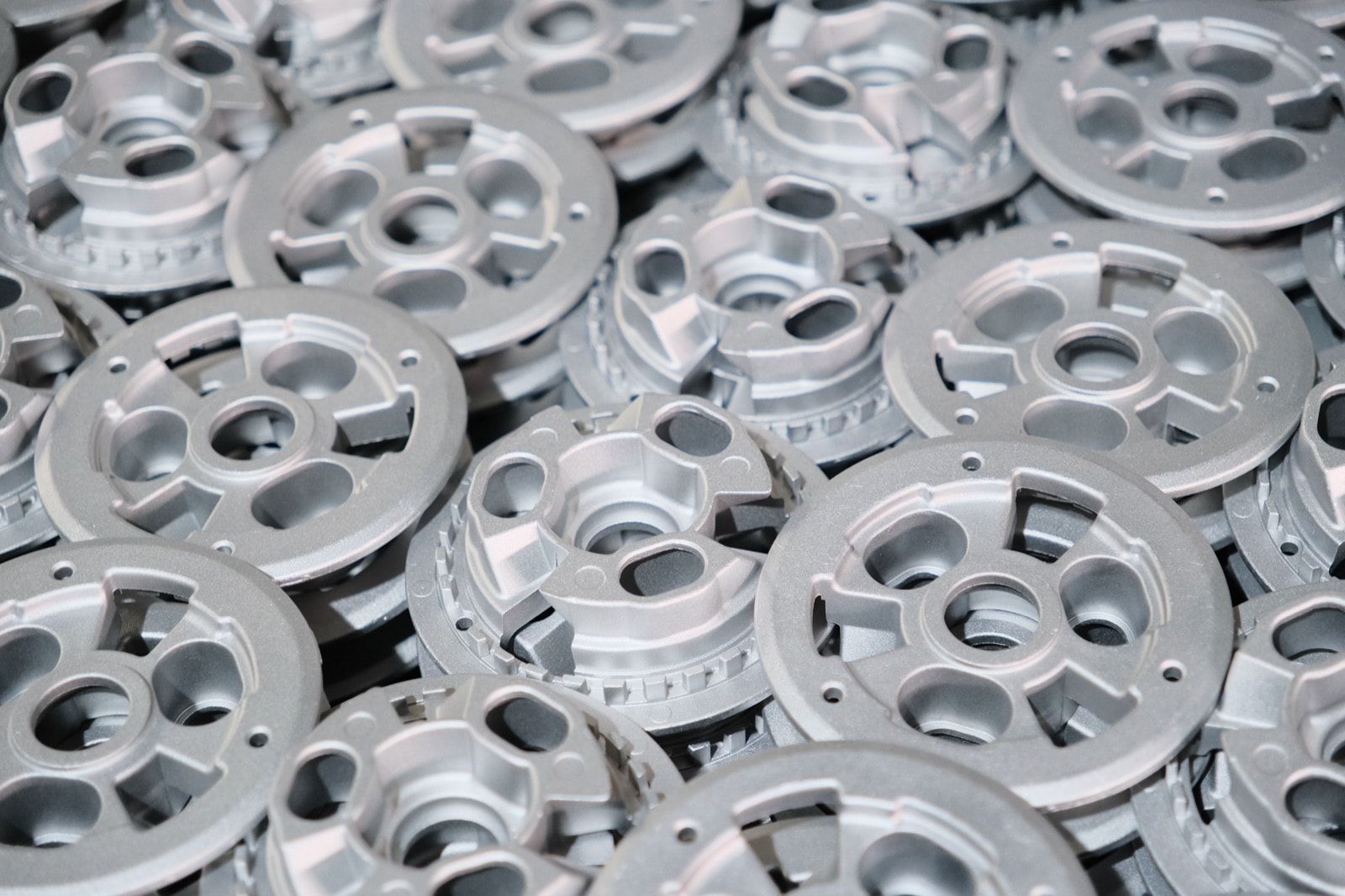
Compare Zamak 3, Zamak 5, ZA-8 and ZA-12 in the alloy selector.More →
FAQ
Questions we get
Which lock and door-hardware parts can you make?+
Cosmetic parts — front and back panels, panel frames, handles, levers and trim covers — normally in Zamak 3 or Zamak 5; functional parts — clutches, levers, cams and latch bolts inside the lock body, and brackets for fingerprint readers, cameras and battery boxes — where we recommend ZA-12 wherever strength and wear matter. We also cast aluminum, so aluminum door-hardware housings can go on the same order.
How large and heavy can a zinc panel be?+
We run ten die casting machines from 160 to 800 t; the 800 t machine takes parts up to about 950 cm² projected area, which covers common smart-lock front and back panels. Lock parts run about 20 g–1.5 kg — for reference, a fingerprint-lock front panel we produce measures about 320 × 75 × 22 mm and weighs about 450 g.
Can panels be plated? Which finishes do you do in-house?+
In-house we do PVD, powder coating, sand and shot blasting and vibratory finishing; PVD suits panels that need a metallic look. Plating — nickel-chrome, antique brass and so on — is arranged through a partner shop, with quality responsibility staying with us, and we lay out gating and ejectors for plated parts so blistering is controlled at the tooling stage.
Why ZA-12 for lock-body parts?+
Clutches, levers and cams take repeated impact and sliding wear. ZA-12 typically gives about 404 MPa tensile, 320 MPa yield and HB 100 — above Zamak 3 and 5 — with wear behaviour close to tin bronze, so it can replace some bronze parts, and it machines well for precision fits. For cosmetic parts we still recommend Zamak 3 or 5, which take a finish better.
How is the cosmetic standard agreed?+
At T1 we agree boundary samples and colour panels with you and grade surfaces A / B / C — no porosity, flow marks, cold shuts or peeling on an A face. In production every part is checked against the samples and packed in separated trays so faces are not scratched.
What are the MOQ and sampling lead times?+
Samples and pilot runs have no MOQ; production starts at 500 pcs. Before tooling we can supply metal 3D-printed or CNC-machined prototypes, and samples from a simplified or modified tool take 7–15 days; a production tool normally takes 30–45 days to build and T1 trials 3–5 days, and a pilot run can follow sample approval; plated parts need a further 7–10 days to approve the first plated piece. In production each batch takes 25–35 days.
FURTHER READING
Technical articles
- MATERIALS
Zamak 3 vs. Zamak 5: Composition, Performance, and Practical Selection for Zinc Die Castings
The difference is mainly copper. Composition and properties from NADCA data, and what the extra copper trades in strength, ductility, dimensional stability and creep.
- TOOLING
Die Casting Runner and Gate Design: How Experienced Suppliers Control Fill, Porosity, and Cost
Gate location, runner size, overflows and vents decide fill, porosity, appearance and cost. NADCA's design starting points, and the questions to settle before steel is cut.
- MATERIALS
Zinc Die Casting vs Aluminum Die Casting: How to Choose the Right Material for Your Part
Compare zinc and aluminum die casting by part size, weight, strength, wear, stability, machining, finish, assembly, tooling, and total cost.