INDUSTRIES · Pumps, Valves & Fluid Components
Die castings for pumps, valves and fluid components
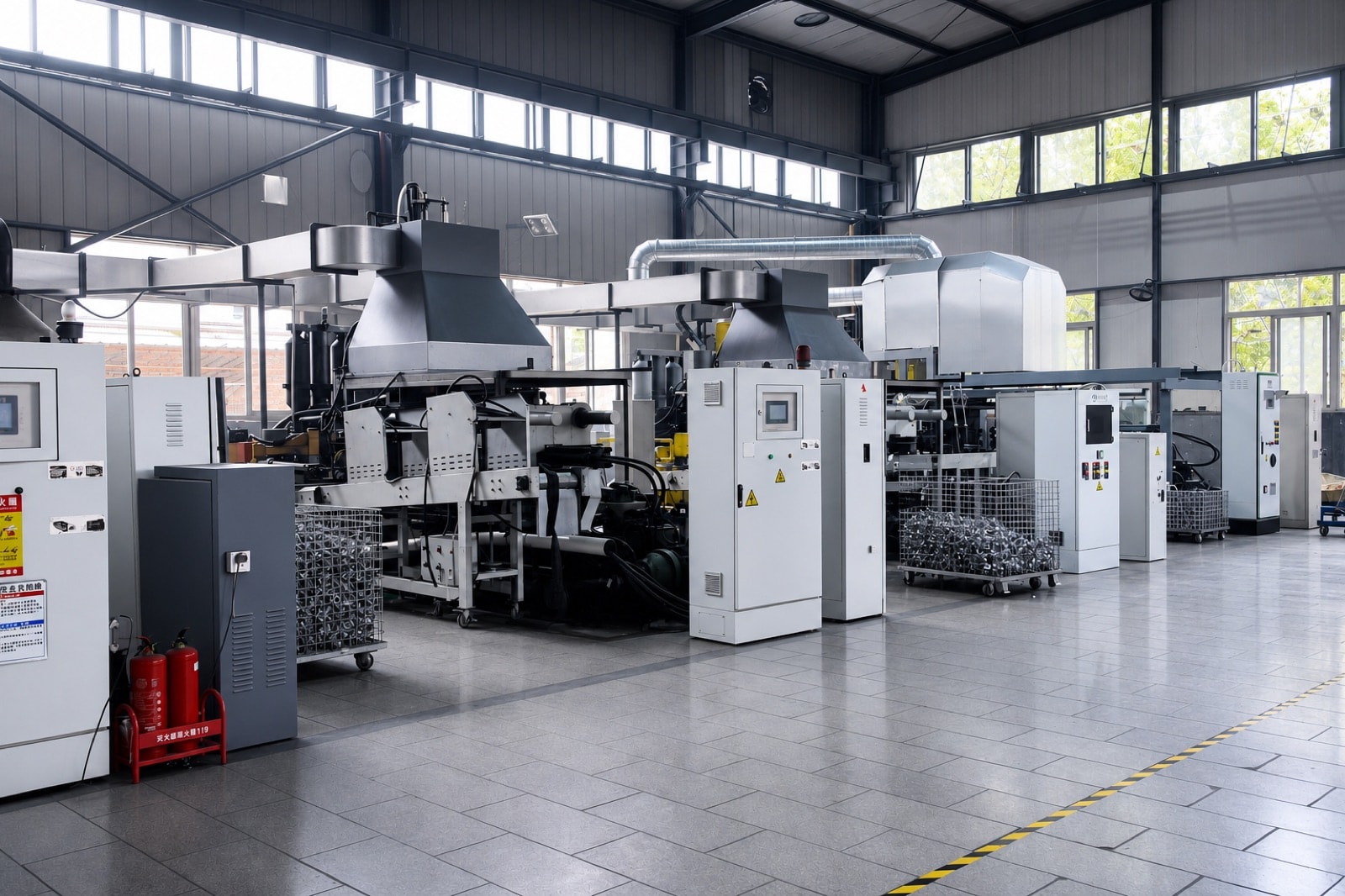
We supply aluminum castings and finished assemblies for cooling pumps, oil pumps, thermostats and valve bodies. Pressure parts get optimised gating and local squeeze for internal soundness, and every finished part is leak tested.
- Every pressure part leak tested
- Optimised gating with local squeeze, X-ray sampled
- Leak rate normally held under 0.5%
- Complete assemblies with seal and bearing
OVERVIEW
What we make for pumps, valves and fluid systems
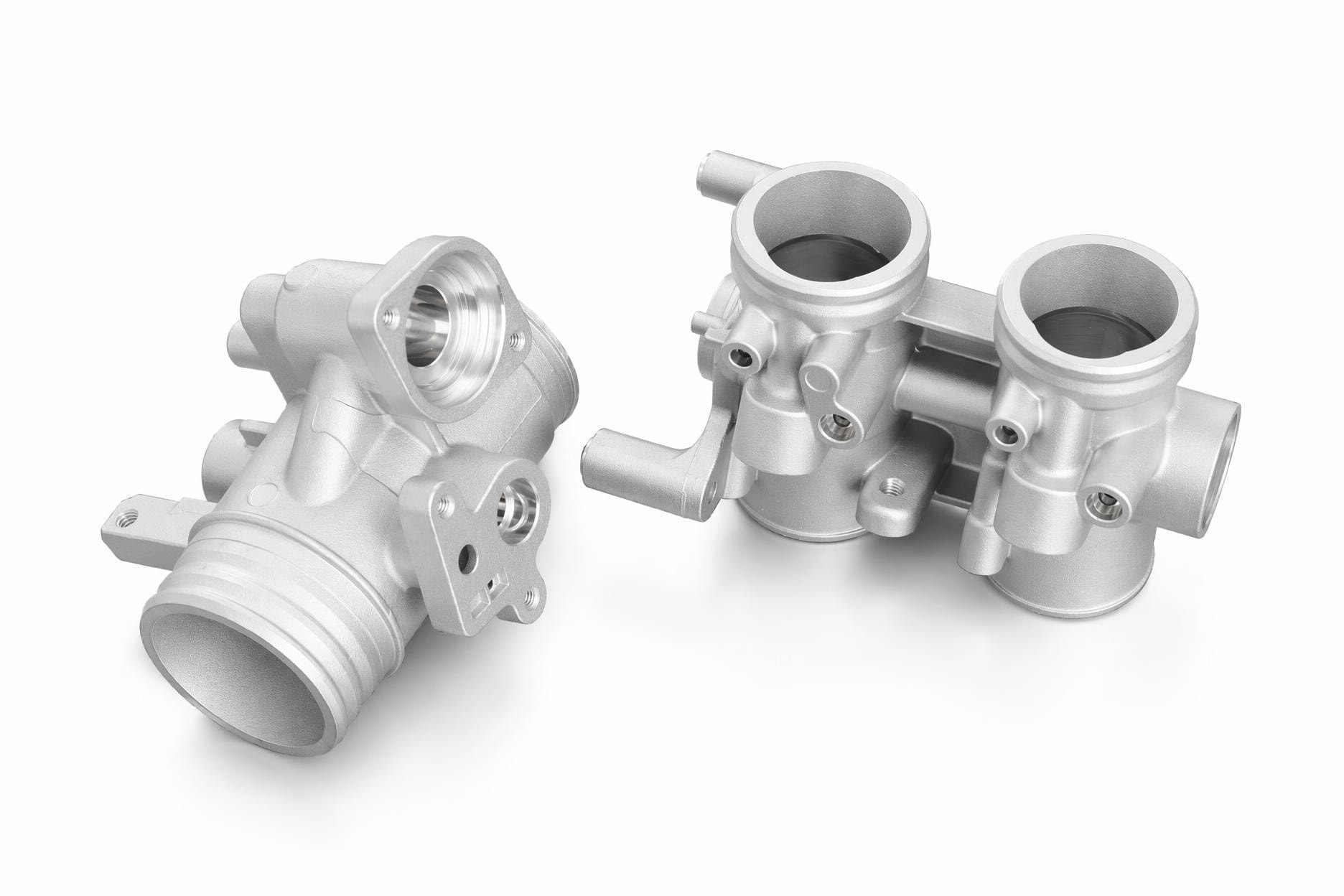
In pumps, valves and fluid parts everything comes down to holding pressure without leaking. We supply aluminum castings for motorcycle and GP-engine cooling pumps, oil pumps, thermostat housings and valve bodies — pump bodies, covers, impellers, oil-pump end covers and water outlets — to OEMs, tier-1 suppliers and aftermarket brands.
Leaks usually come from porosity joining up with shrinkage inside the casting. Sealed parts get gating and venting optimised at DFM and local squeeze on heavy sections; X-ray sampling checks internal soundness and every finished part is leak tested. The spec is yours to set — at 0.25 MPa for 30 s, for example, the leak rate is normally held under 0.5%.
We deliver machined parts, or complete pump assemblies with seal, bearing and shaft pressed in and every unit leak and rotation tested — one supplier instead of several.
CASE STUDIES
Representative parts
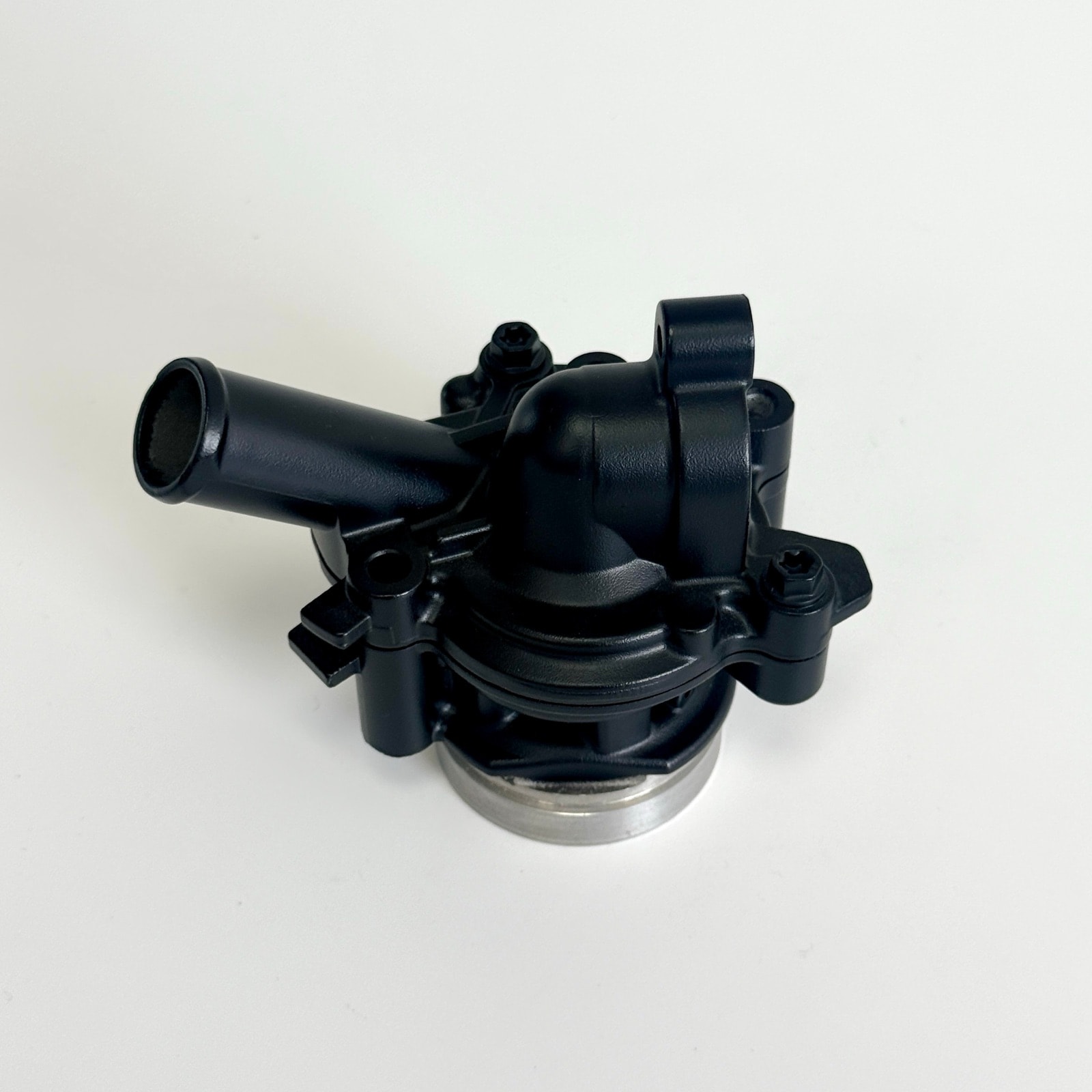
Cooling Water Pump Assembly for Motorcycles and Small Engines
ADC12 · 约 480 g(总成)
One supplier from casting to finished pump. Leak tests before and after press-fitting, masked fits and monitored press force took incoming rejects to zero.
Read the case →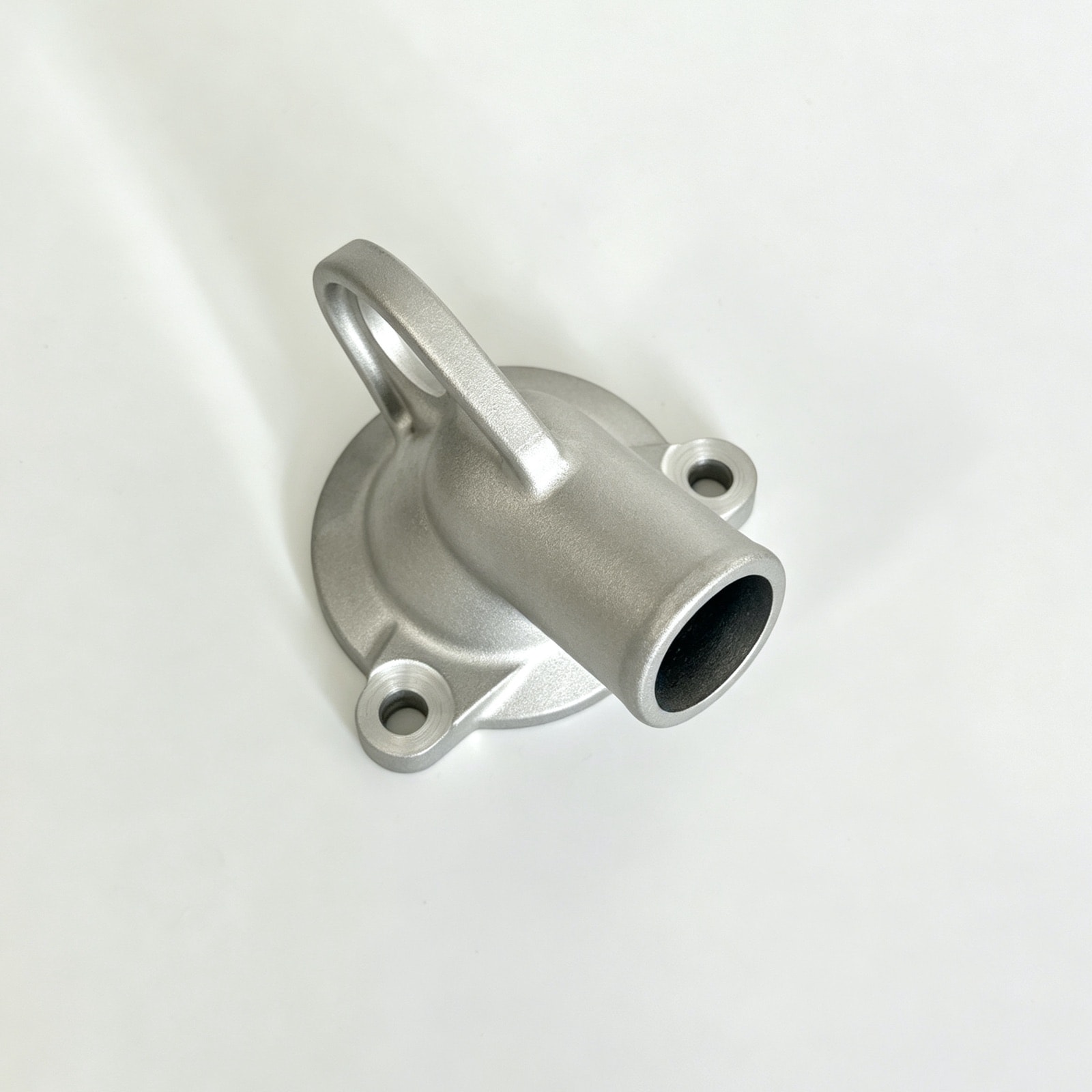
Engine Thermostat Housing
ADC12 · 约 230 g
Thermal cycling moved the sealing face and coolant attacked porosity. Stress relief, impurity control and 100% leak testing keep field leaks under 0.1%.
Read the case →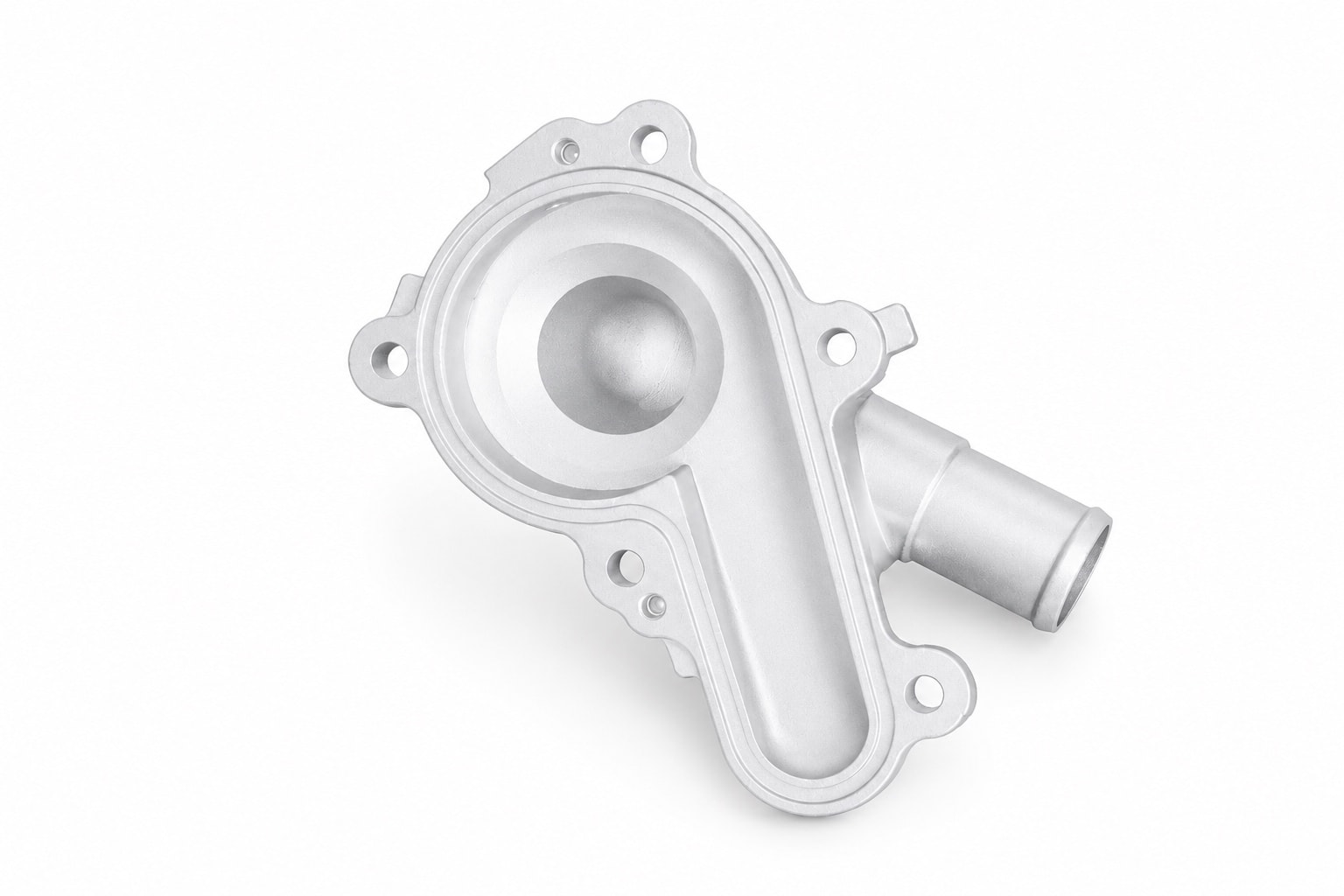
Motorcycle Aluminum Water Pump Housing
ADC12 · 约 380 g
Three suppliers had failed on this housing, with 6.2% leaking on test. A new parting line, reworked gating and venting, and one-setup boring cut leaks to under 0.5%.
Read the case →TERMS
Working with us
Sampling lead time
Pressure parts start with process-validation samples: tooling in about 30–45 days and T1 in 3–5 days, with samples leak verified and X-ray assessed, and a pilot run can follow sample approval.
MOQ
No MOQ for samples and pilot runs; production from 500 pcs, for machined parts and assemblies alike.
Documentation
Available on request: material certificates including iron content, dimensional and GD&T reports, X-ray sampling reports, 100% leak-test records, balance data and lot traceability.
Nominated suppliers
We buy to a nominated grade such as A360 and fit your nominated seal or bearing brands, handling incoming inspection, press-fit and functional testing.
HOW A PROJECT RUNS
From drawing to production: how we work with you
- 01
DFM and sealing plan
We fix test pressure, dwell and pass criterion, and from those decide on gating, local squeeze and impregnation — choices that drive piece price, so the earlier the better.
- 02
Tool design and build
Flow simulation locates gas entrapment and hot spots, overflows and vents go in beside them, and the tool is built in-house.
More → - 03
Process-validation samples
T1 samples are leak verified and X-ray assessed, with full dimensional and GD&T reports available.
- 04
Pilot run
Press-fit, leak and functional testing are proven, and production starts once critical fits reach CPK ≥ 1.33.
- 05
Production and delivery
Every part leak tested with lot-traceable records; production from 500 pcs, 25–35 days per batch.
WHAT WE GUARANTEE
Pump and valve parts: the three things you care about most, and how we deliver them
- 01
Sealing: sound inside, no leaks
A motorcycle pump body that three other suppliers could not stabilise was leaking 6.2% at test. Re-laying the parting line, reworking gating and venting, and boring the bores in one setup brought leaks under 0.5% with CPK ≥ 1.33 on critical fits.
See the case → - 02
Assemblies: still tight after press-fit
Press-fitting can open micro-porosity or distort the seat. Depending on the product, we can leak test at two stages — housing alone, then the assembly — and log press force and depth in-line.
See the case → - 03
Rotating parts: impellers that run smooth
Cores are located from both ends and gated symmetrically so blade walls do not bias to one side; balance testing is carried out to suit the product's performance requirements, to within 1 g·mm.
See the case →
PROCESSES
Processes, materials and finishes we use
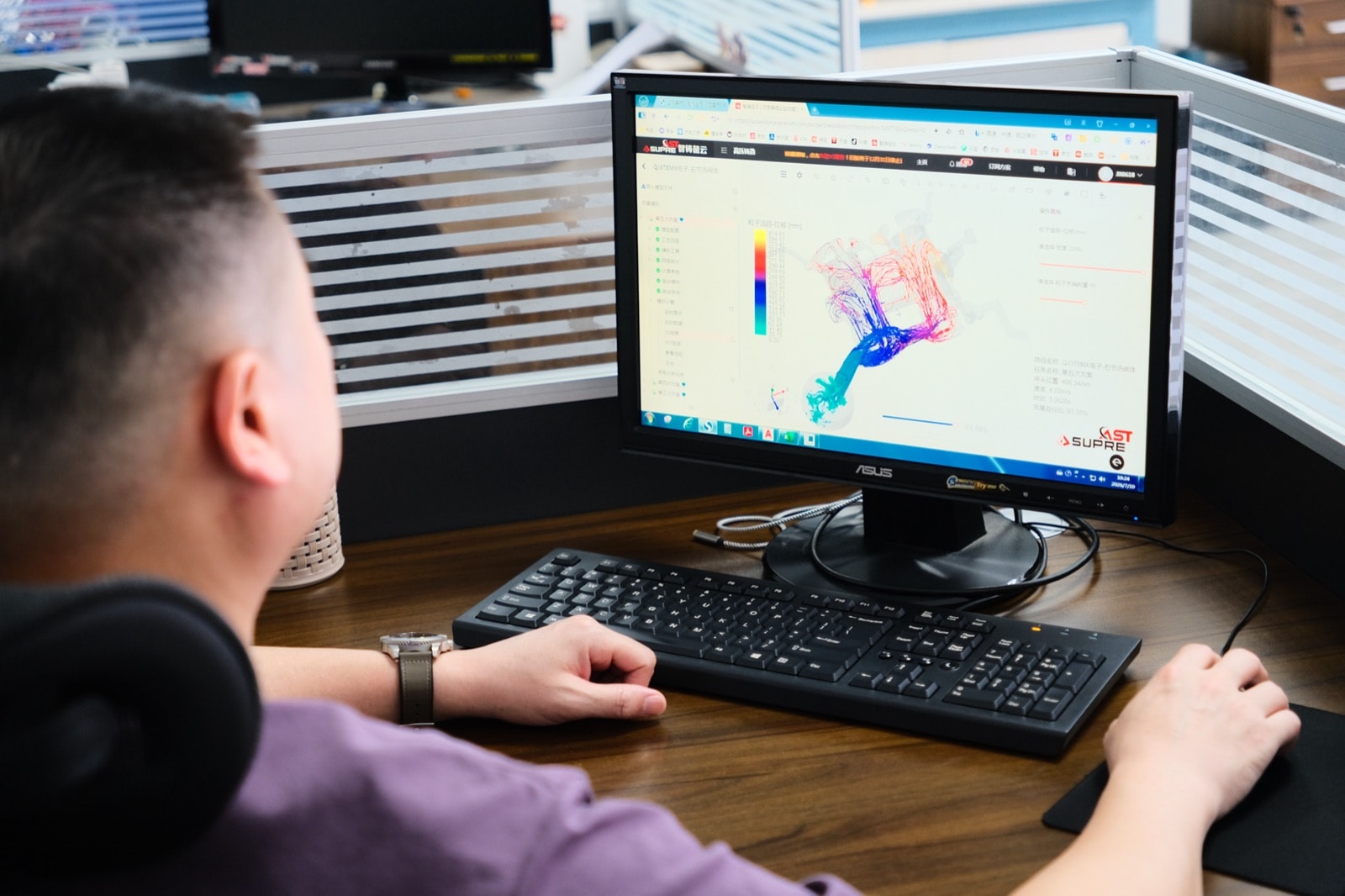
Tool design and build
Designed and built in-house, with flow simulation to find gas entrapment and hot spots; aluminum tools last around 100k shots and belong to you.More →
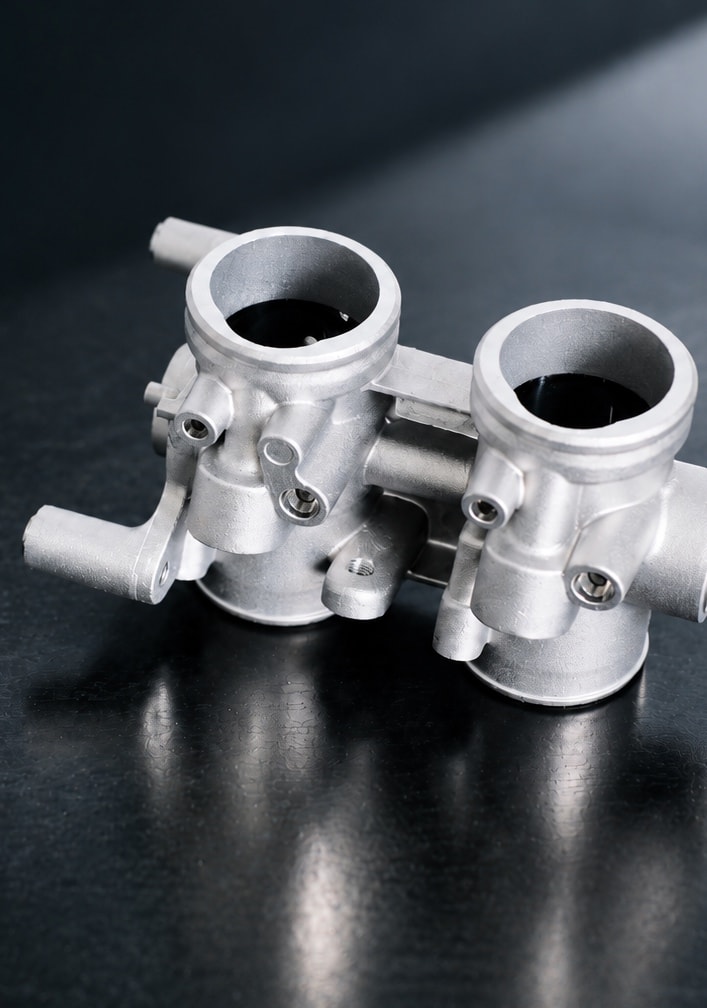
Aluminum die casting
Ten machines from 160 to 800 t; local squeeze and 100% leak testing for sealed parts, mostly ADC12 with A360 where corrosion matters.More →
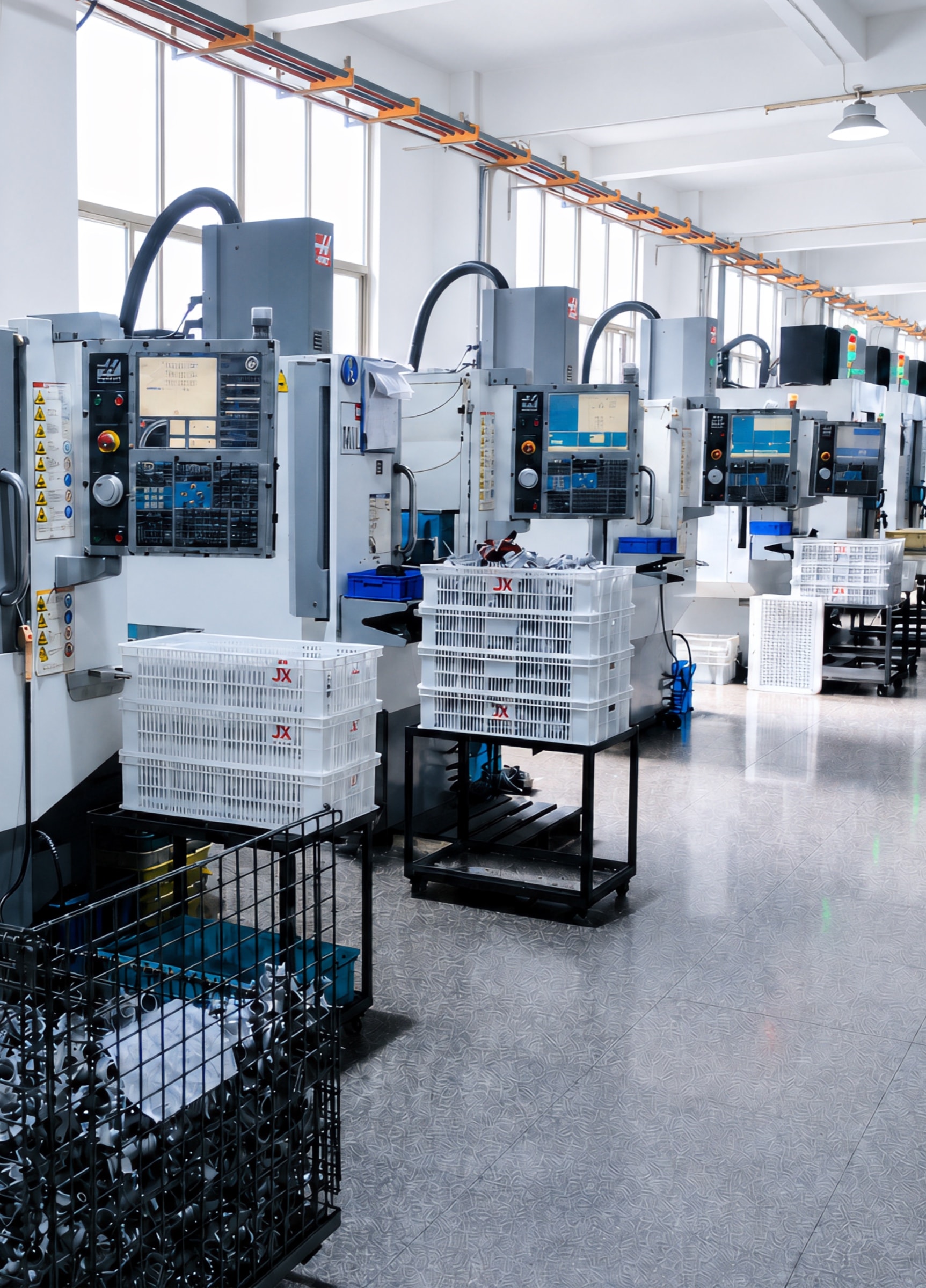
CNC machining
Sealing faces, bearing seats and bores machined in one setup, CPK ≥ 1.33 on critical fits.More →
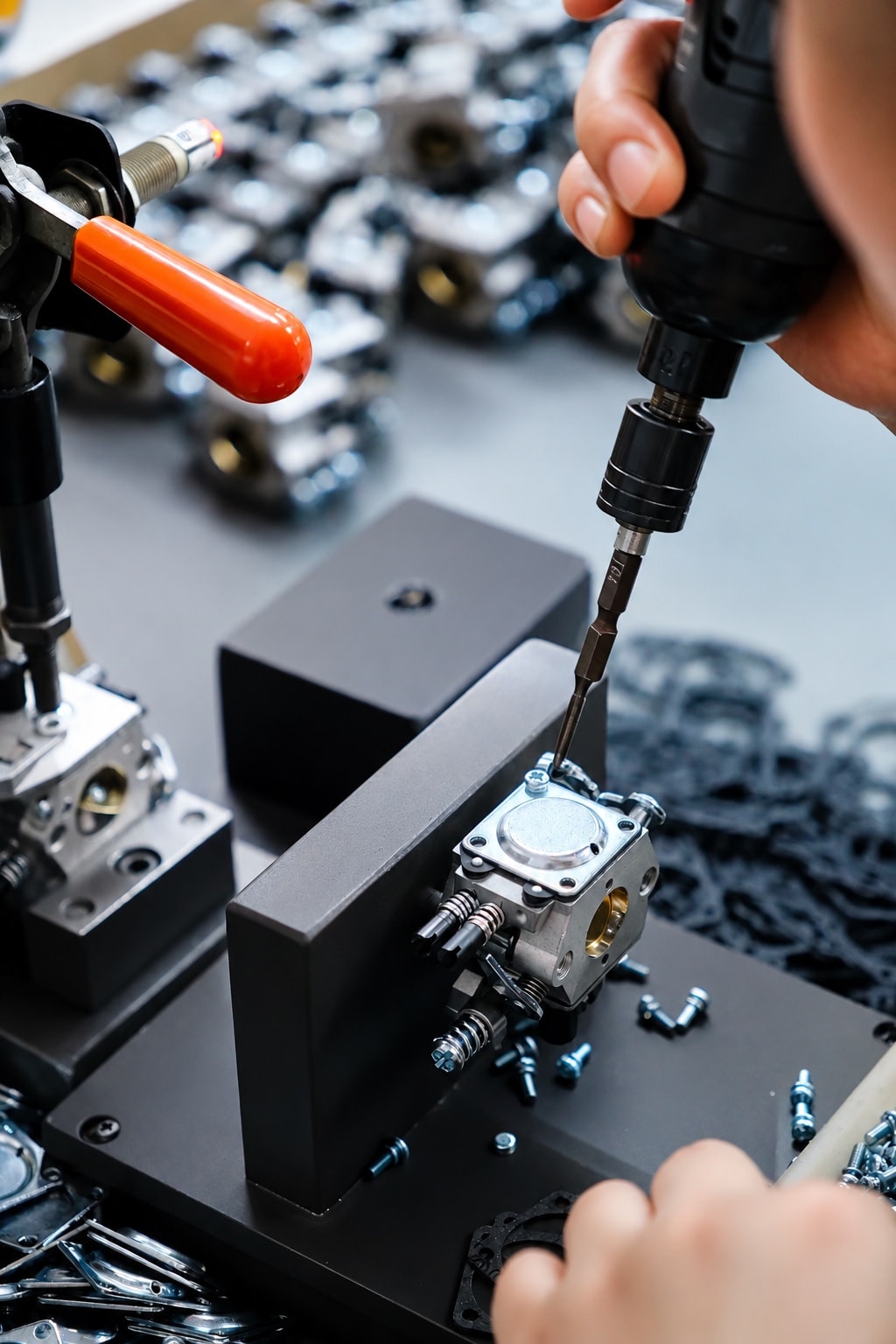
Assembly, testing and finishing
Seals and bearings pressed in-house with 100% leak and rotation testing; blasting and powder coating done here.More →
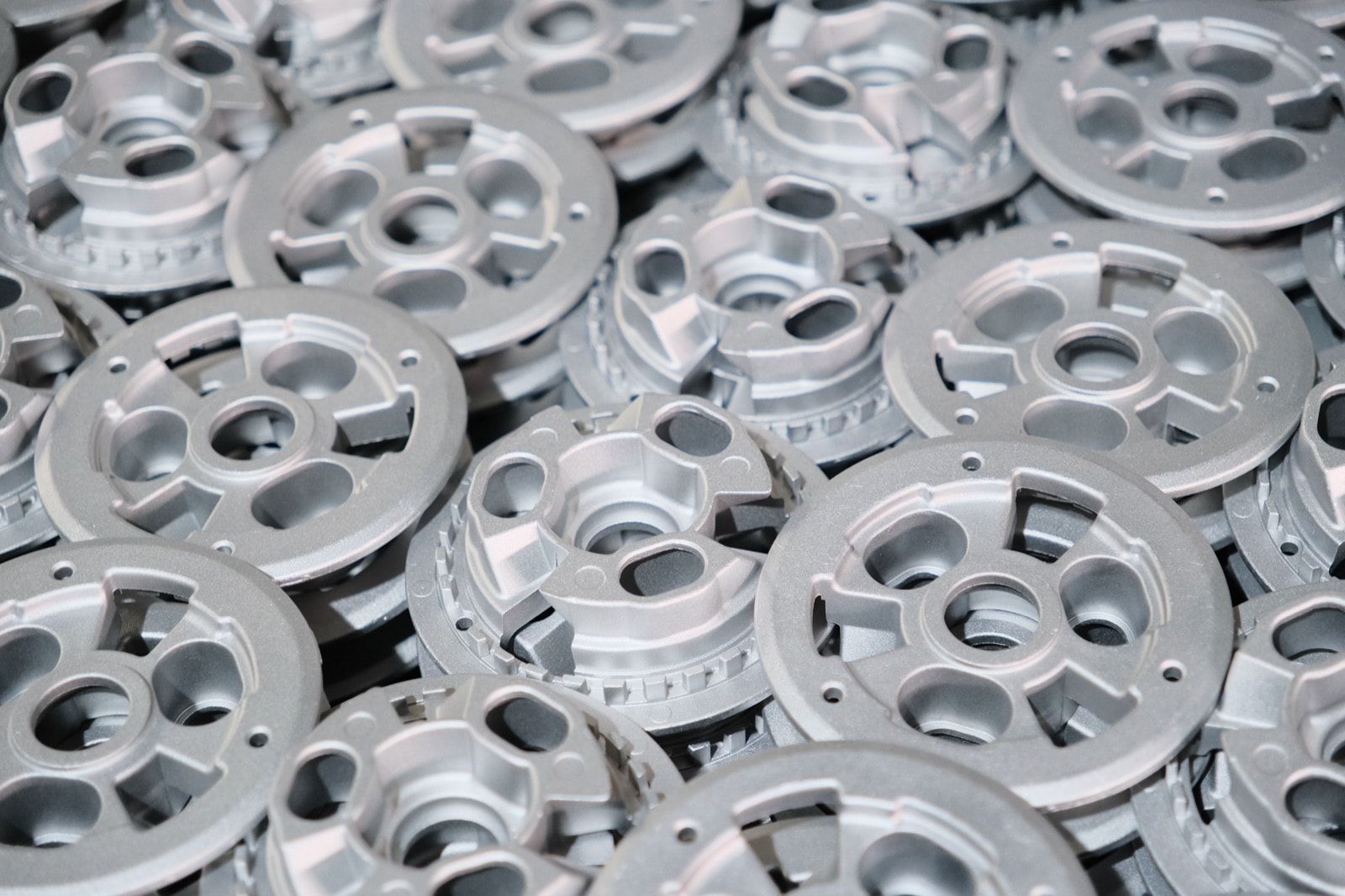
Choosing the alloy
Compare corrosion behaviour and uses of ADC12, A380, A360 and other grades in the alloy selector.More →
FAQ
Questions we get
How is the leak standard for a water pump body set?+
The customer derives it from the cooling system's working pressure, typically testing at 1.5–2× that value. Motorcycle and GP cooling pumps usually land at 0.20–0.30 MPa for 30 s, judged by pressure decay. We confirm pressure, dwell and criterion during DFM, and that decides the gating scheme, local squeeze and whether impregnation is needed — choices that feed straight into piece price, so the earlier they are fixed the better.
Can you deliver complete pump assemblies, and what is included?+
Yes. Casting, CNC machining, blasting and coating, seal and bearing press-fit, and 100% leak and rotation testing all happen here, so you deal with one supplier. Depending on the product, the housing and the finished assembly can each be leak tested — the housing alone, then the assembly after press-fit — with press force and depth logged in-line.
Can parts that fail the leak test be saved by impregnation?+
Micro-leaks yes, but it has to be agreed in advance and written into the process sheet. Vacuum impregnation seals micron-scale interconnected porosity, and every impregnated part is re-tested. It is a safety net, not a routine step: a rising impregnation rate means the casting process has drifted, and the answer is die temperature, venting and feeding. Through-shrinkage and cracks cannot be impregnated and the part is scrap. We can report the impregnation rate to you as a monthly quality metric.
How do you make cooling-circuit parts last in coolant?+
Every batch of cooling-circuit parts gets spectrometer analysis with a cap on iron, and the reports can ship with the goods on request; optimised gating and venting cut the porosity that coolant would otherwise creep along. Where corrosion resistance matters more, A360 outperforms ADC12.
What are the MOQ and sampling lead times?+
Samples and pilot runs have no MOQ; production starts at 500 pcs. Pressure parts start with process-validation samples: tooling in about 30–45 days and T1 in 3–5 days, with samples leak verified and X-ray assessed, and a pilot run can follow sample approval; in production each batch takes 25–35 days.
Can we nominate the seal and bearing brands?+
Yes. We buy alloy to a nominated grade such as A360, and fit your nominated seal or bearing brands while handling incoming inspection, press-fit and functional testing.
FURTHER READING
Technical articles
- QUALITY
Die Casting Leak Testing and Impregnation: How to Specify Pressure-Tight Parts
What a pressure-tight die casting specification needs to state — test pressure, medium, leak limit and when testing happens — how to trace a leak, and when impregnation is and is not appropriate.
- DEFECTS
Porosity in Die Casting: What Causes It, Why It Matters After Machining, and How Suppliers Control It
Learn why porosity in die-cast parts often becomes visible only after CNC machining, how it causes leaks and rejections, and how experienced suppliers control it.
- MATERIALS
ADC12, A380, and A360 Aluminum Alloys: Composition, Performance, and Practical Selection for Die-Cast Parts
Three grades with similar names and similar strength that are still not interchangeable. Composition and properties from NADCA and JIS sources, and what really differs in filling, corrosion, machining and finishing.